Natural’s Best Colors

When I was in college, something I observed about myself was that I often seemed to focus better on schoolwork outdoors. That might sound like a flimsy excuse to be unproductive (akin to “I swear, I concentrate best on my homework at the mall”), but there is research supporting that spending even brief amounts of time in nature can “calm stress, restore attention, and quiet mental clutter.”
And that’s one of the many conceptually and sensorily beautiful things about the Natural essence and Natural colors—Natural really does embody the deep, healing beauty of nature.
I don’t know of a study showing that wearing certain outfits produces health benefits. But there’s probably a reason that Natural color schemes are popular for fashion and living spaces—these colors just might help us feel both alert and calm.
Below we explore:
Natural’s ideal and less ideal colors
How these colors can harmonize with any season
How to combine your colors for mesmerizing results
Part 1. Your Best Colors
Natural’s absolute best color?
Green—especially yellow-green.
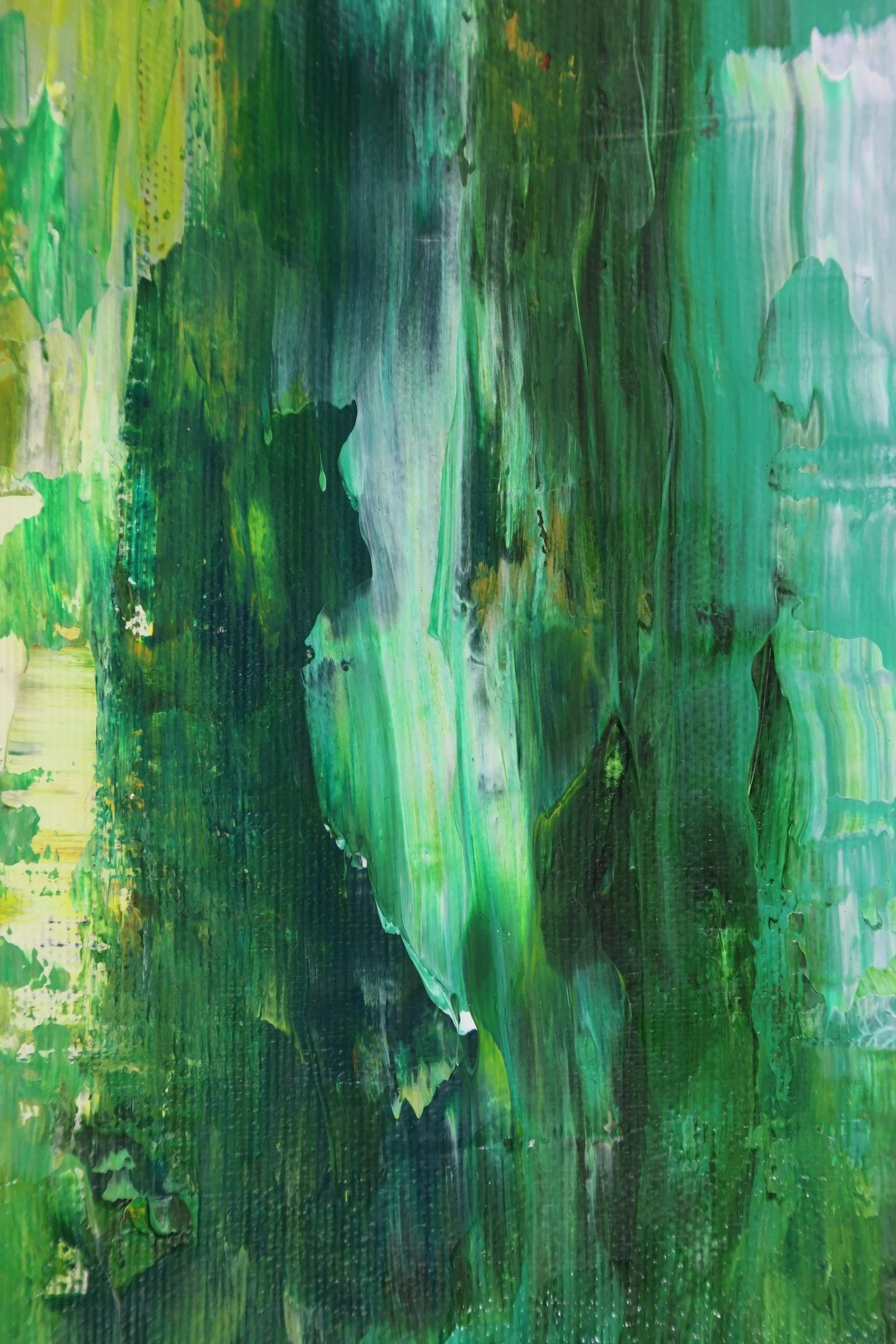
Green is nature’s defining color, symbolizing growth, vitality, peace, and even harmony itself.
Natural’s absolute best green tends to be light but not extremely light and to have yellow undertones, for a subtly sunlit feel.
But Natural is also fantastic in dark, medium, and very light greens, including those that lack yellow tones.
Natural’s runner-up best colors?
Blue-greens, blues, and brown-oranges.
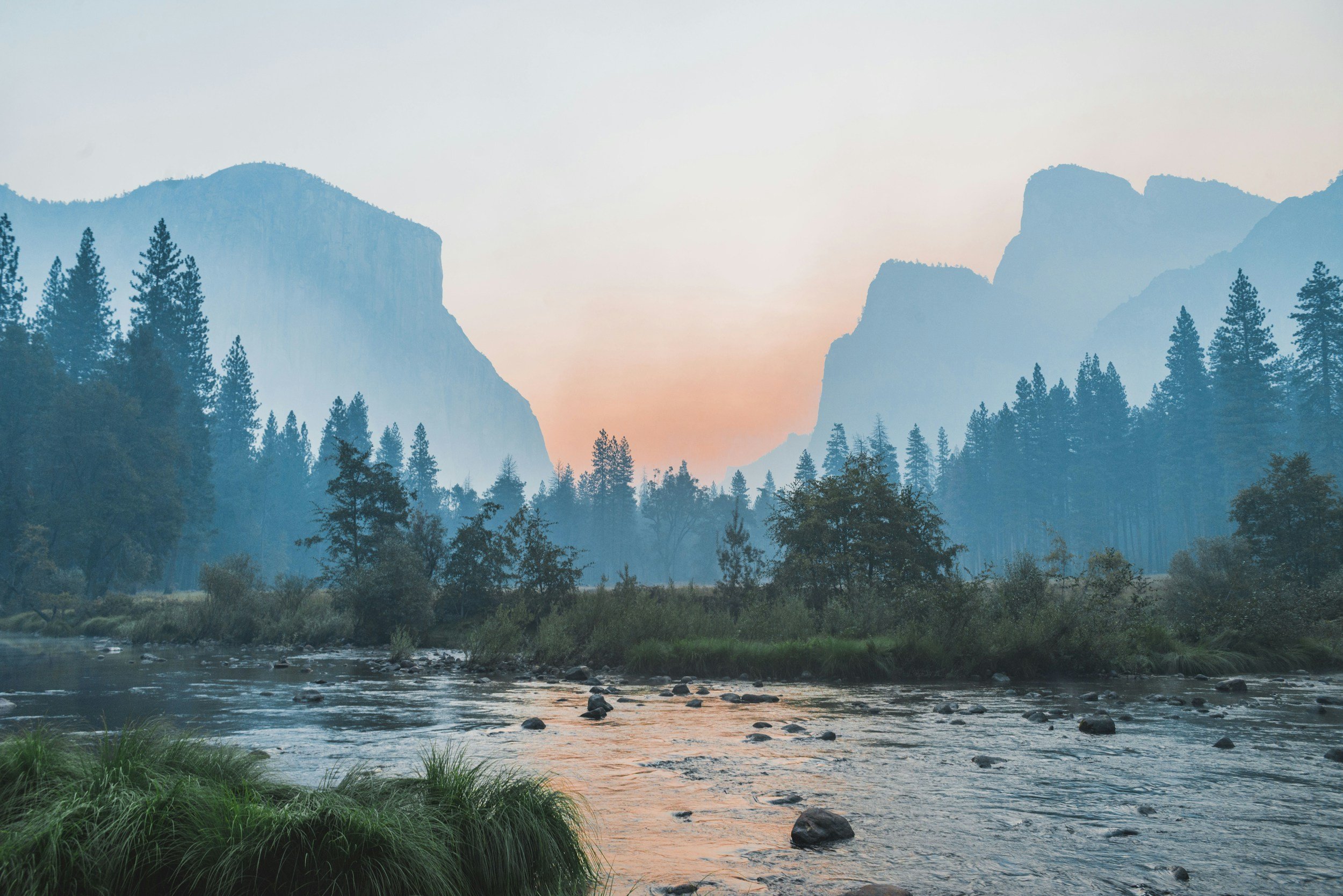
Like Natural, these colors feel calm and relaxed.
Any darkness level can work, though light-medium tends to feel especially easy-going.
Other flattering hues?
Oranges, yellows, and reds.
These also have a strong connection to nature—sunshine, leaves, fruits, flowers, etc.
What about in-between hues?
Natural is fantastic in yellow-greens, blue-greens, and other in-between colors.
You can even argue that Natural is the most “in-between” essence, since unlike most of the others, it’s defined neither by decisively straight nor decisively curving lines, but instead by “in-between” blunt-edged lines.
This means that blended, figuratively indecisive colors match Natural’s laidback energy.
Natural’s best neutral?
Your palette’s most “earthy” neutral, such as light or light-medium brown or beige.
What other neutrals work?
Really any, including brown-grays, grays, charcoals, white, black, etc.
Neutrals in general are great for Natural, easily appearing understated and down-to-earth.
Is Natural best in color or neutrals?
Color!
This reflects the abundant greens, blues, oranges, yellows, and reds in nature. Those colors tend to suit Natural more than any neutral.
What colors aren’t ideal?
Pinks and purples.
Interestingly, while Natural and Ethereal have extensive overlap when it comes to color, a huge difference is that purple is Ethereal’s best shade, whereas for Natural, the opposite is true.
This seems to reflect that purple is relatively scarce in nature.
Pink also isn’t Natural’s ideal, maybe in part because it’s so associated with Ingenue sweetness, and not as much with Natural strength and confidence.
You don’t need to shun these colors, but you may find that they aren’t your favorites, especially not in large amounts.
Do Natural’s best colors differ based on season?
In general, no—regardless of color season, Natural’s best colors are your palette’s greens, plus blue-greens, blues, and your more muted or lighter oranges.
Part 2. Color Season and Natural
Natural works amazingly with any season—even if at first glance, it seems to clash with some of them.
Natural and Autumn: Pure Natural
Autumn and Natural. What can be said? Not seeing much connection…
Just kidding. Pretty obviously, this is an easy match. Autumn palettes, with their mutedness and warmth, are iconically earthy.
So as a Natural Autumn, you can embrace not just your greens and blues but also your warmest shades—browns, brown-oranges, oranges, yellows, rusts.
Even your less stereotypically earthy shades, like warm grays, can work well.
Some of Natural’s best palette options for every Autumn:
Soft Autumn

True Autumn

Dark Autumn

***
Natural and Winter: Luxe Natural
Are Winter and Natural a surprisingly good match?
Initially, these two seem opposed: “earthy” colors are conventionally warm, muted, and calm; in contrast, Winter colors are cool, bright, and intense.
The twist: Natural’s most iconic colors (green, blue) are stereotypically cool.
This means that Winters can heavily emphasize their palette’s many greens, blues, and blue-greens.
It’s true that your versions lean brighter than the quintessential “earthy” ones. But in the context of your personal coloring, your blues and greens don’t tend to appear shockingly bright.
Plus, plenty of vivid colors exist in nature.
Can Naturals do high-contrast?
Winters are often flattered by pairing dark with light colors.
Conversely, Naturals are very flattered by calm, low-contrast color schemes.
But based on my observations, Naturals are also amazing in medium and even high contrast—under the right conditions.
If we think about the beauty of nature, this makes sense.
Specifically, we can think about light and shadows, and the resulting contrast. Like how a single patch of grass can appear partly illuminated by sunlight and partly in shadow—the sunlit part looks quite light, and the adjacent shadowy part looks quite dark.
So Naturals truly can be flattered by high contrast. The key is to try to (loosely) replicate the many types of contrast we see in nature, like pairing lighter and darker greens in the same outfit. Or adding dark brown to an otherwise light outfit.
That leads to:
What about neutrals?
Winters often wear high amounts of their palettes cool-toned neutrals, like black, white, and gray.
And Naturals can wear these, too—after all, these shades are present in nature (clouds, rocks, etc.), and they can communicate calmness, especially light-medium and medium grays.
You can also explore Winter’s versions of browns and beiges. While they lean cool, they can still feel earthy, especially paired with Natural’s iconic hues.
A final note is that it’s ok if as a Winter, your overall color impression is more intense than the stereotypical Natural one. It’s ok if your color season has at least a little influence on your vibe.
If you wear high amounts of your very light or very dark neutrals, you might just end up communicating a slightly more intense or high-maintenance feel than the stereotypical Natural one.
Some of the best palette options for each Winter:
Bright Winter

True Winter

Dark Winter

***
Natural and Spring: Outdoor Adventurer
Spring and Natural is a fun, adventurous match.
So far, we’ve mostly emphasized Natural’s easy-going, relaxed side.
But Natural also has an outgoing, assertive side. Fitting with this, Natural faces often appear friendly and confident, with strong bone structure and wide smiles.
And since Naturals are so associated with the outdoors, they can embody the sort of person who fearlessly ventures into the world.
This means that Spring palettes, with their warmth and brightness, emphasize Natural’s exploratory, energetic side.
So there’s not too much conflict in making Natural work with Spring—especially since your palette’s warm greens and blues can easily feel earthy in the right context, and brown is a standard neutral for you.
The main thing to watch is that it’s easy for Spring to feel Gamine. You can avoid a Gamine impression by following the color combining guidelines below in Part 3.
And of course, it’s ok if your overall vibe is a bit more lively than the stereotypical Natural one—your season/essence pairing emphasizes nature’s inherent vibrance and vitality.
Here’s some of the best Natural colors for the Springs:
Bright Spring

True Spring

Light Spring

***
Natural and Summer: Surfer Girl
Natural combined with Summer feels beachy, evoking sand, rocks, palm trees, clear skies, and blue-green waves.
In contrast to Spring, which emphasizes Natural’s energetic side, Summer emphasizes Natural’s peaceful, go-with-the-flow side.
This is generally an easy match, since Summers have many blues and greens, with a mutedness that makes them especially Natural-friendly. Summers also have light and medium neutrals that can read as earthy, like brownish grays.
One consideration is that Summer also has a very strong connection to Ethereal and Ingenue.
But if you wear Natural silhouettes, you typically won’t have to worry about your blues and greens creating an Ethereal or Ingenue impression.
If you’re still concerned, then you can add notable amounts of earthy neutrals, like medium browns. More about that below in Part 3.
Some of the best Natural colors for each Summer:
Soft Summer

True Summer

Light Summer

Part 3. Color Combining
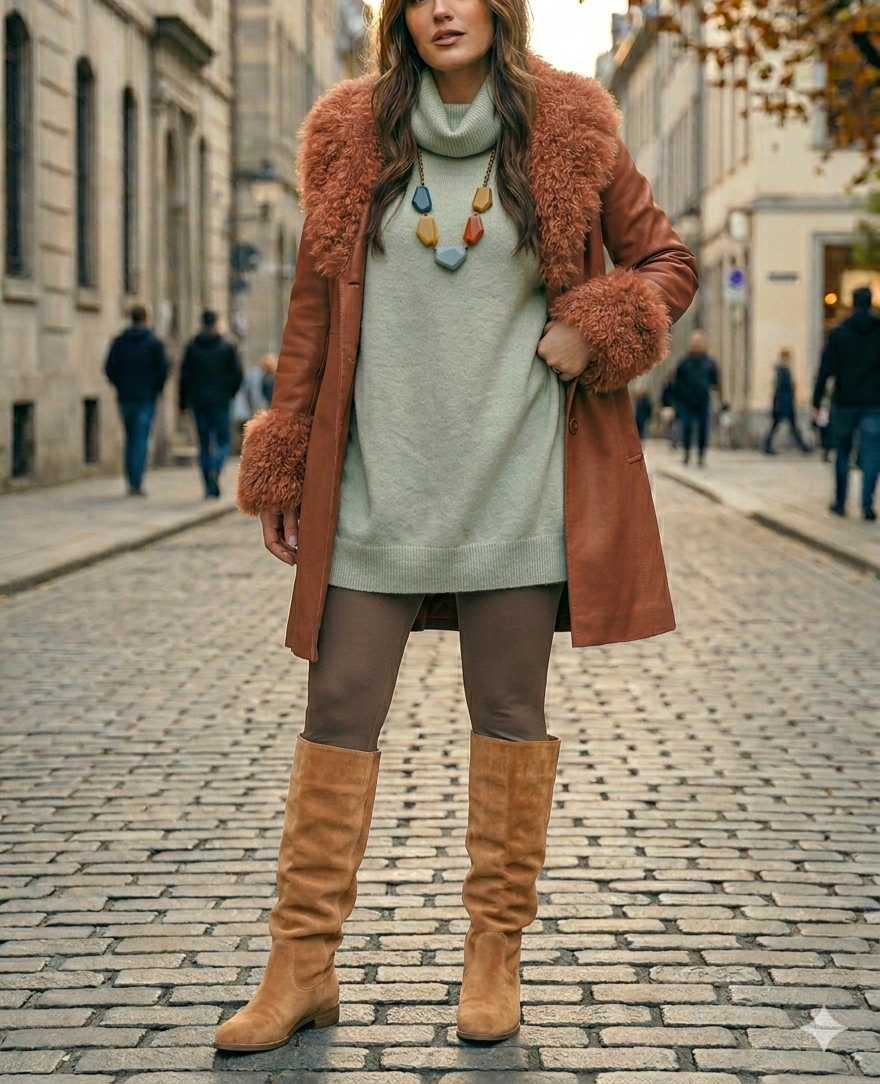
One of Natural’s many options for color combining: large amounts of light green and orange-brown, paired with notable amounts of earthy neutrals and small amounts of blue, yellow, and orange.
I love pairing sweater dresses with boots for Natural. This particular outfit would be great for a Natural Romantic blend.
Here’s some of Natural’s other best color combinations:
Colors or neutrals?
You may find that some of your best outfits have a lot of color, especially near your face.
But you can look amazing in highly neutral outfits, too. If your outfit is mostly neutral, you could optionally add color near your face (necklace, earrings, scarf, etc.)
How to combine colors?
Generally, create earthy color schemes—this tends to involve combining two or more colors like greens, blues, rusts, orange-browns, browns, and/or beiges together in the same outfit.
Good options include pairing brown or beige with one of your best colors, like green, blue, or teal.
Wearing different shades of green together in the same outfit can also work well. So can wearing lighter and darker blues together.
You can even wear three or more different shades of green and/or blue in the same outfit:

Natural has relaxed energy and so can be flattered by low-contrast color schemes, like pairing light blue with just a slightly darker blue.
However, Natural is also flattered by high-contrast colors (likely because they evoke the light/shadows that are prevalent in nature). So, you can pair very dark greens with very light greens; a light color with a dark neutral; a dark color with a light neutral; etc.
While these combinations are good, what tends to be even better is adding in brown, beige, or another earthy-feeling neutral:

This not only helps the color scheme feel more iconically earthy but also helps avoid evoking dreamy Ethereal or sweet Ingenue.
Neutrals tend to be especially helpful if you’re pairing high amounts of colors that aren’t next to each other on the color wheel, like blue with yellow. In isolation, these color combinations can feel energetic and Gamine. The simple solution is to pair them with brown or beige. This creates a grounded, earthy feel:

Similarly, wearing high amounts of warm-feeling colors like yellow and orange together can easily feel Gamine. But the simple solution is adding brown or beige, to bring it down to earth.
If you add a neutral, you can even wear notable amounts of three different colors, like blue, yellow, and green, all at once.
Makeup is a separate topic, but you might find you can borrow some of your fashion guidelines for makeup, like adding generous bronzer or earth-toned eyeshadow!
***
Upcoming posts will explore the best colors and color combinations for the remaining essences!