Classic Essence Makeup
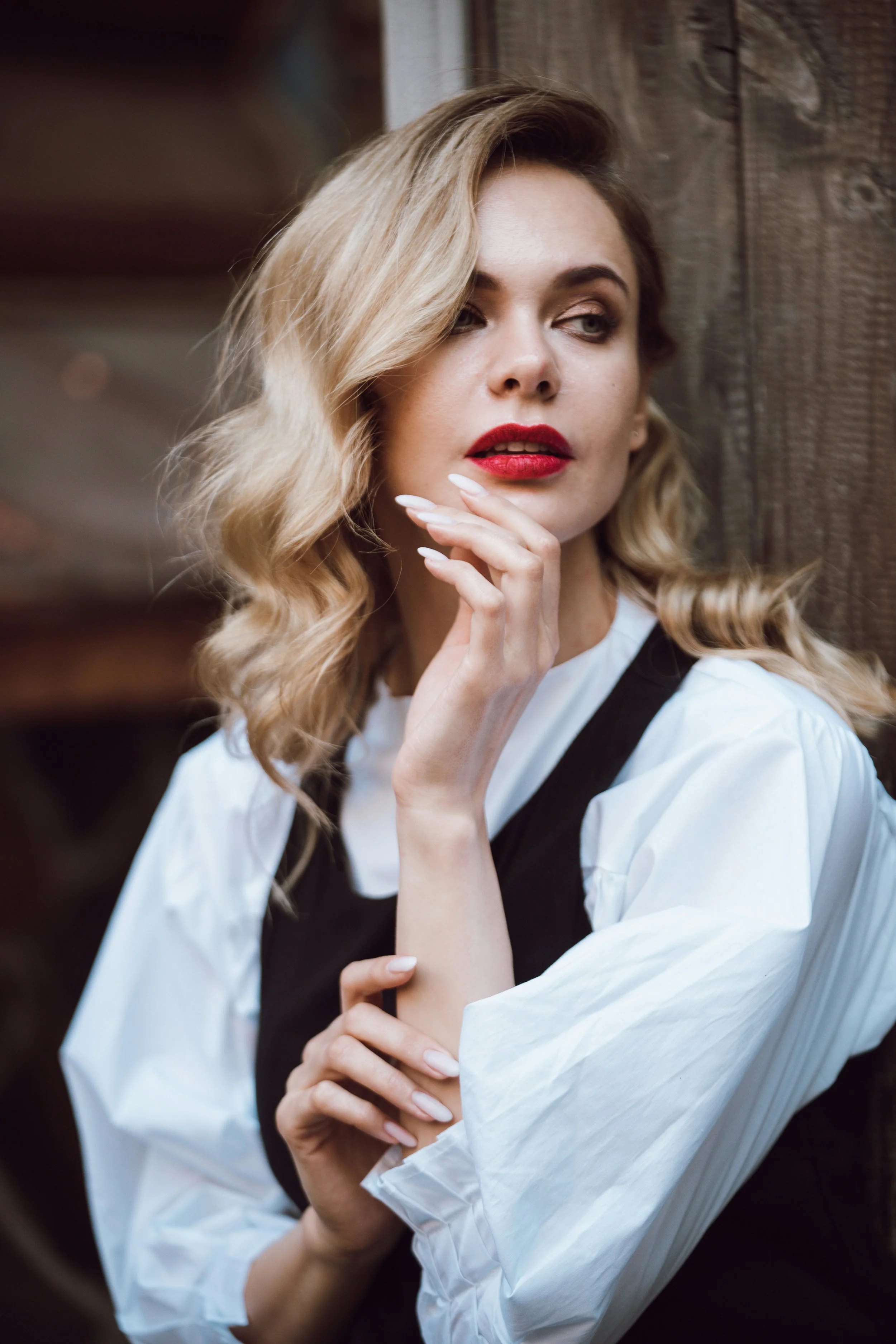
Classic makeup is like a healthy relationship: graceful and balanced, with well-established boundaries.
That’s right: one of your primary aims with Classic makeup is to emphasize the boundaries of your features, including with eyeliner, lipliner, and contour.
Why? Because this is like waving a flag—in a sophisticated, subtle manner—that says, “Look how proportionate my Classic features are. They’re symmetrical; evenly-spaced; and timelessly beautiful in their moderate sizes and shapes.”
By emphasizing the boundaries of your features, you draw attention to what makes Classic faces so beautiful—their balanced sizes, shapes, and spacings.
Here’s some of Classic’s best makeup:
Classic Style Essence Makeup
Overall Vibe
Classics are flattered by makeup that mimics their sophisticated, elegant, and mesmerizingly balanced beauty.
Your best makeup will feel:
Timeless—suitable across many different eras rather than being avant-garde or experimental
Polished—appropriate for formal or professional settings
Moderate—not so minimal that it feels casual, but not so heavy that it feels extreme or intense.
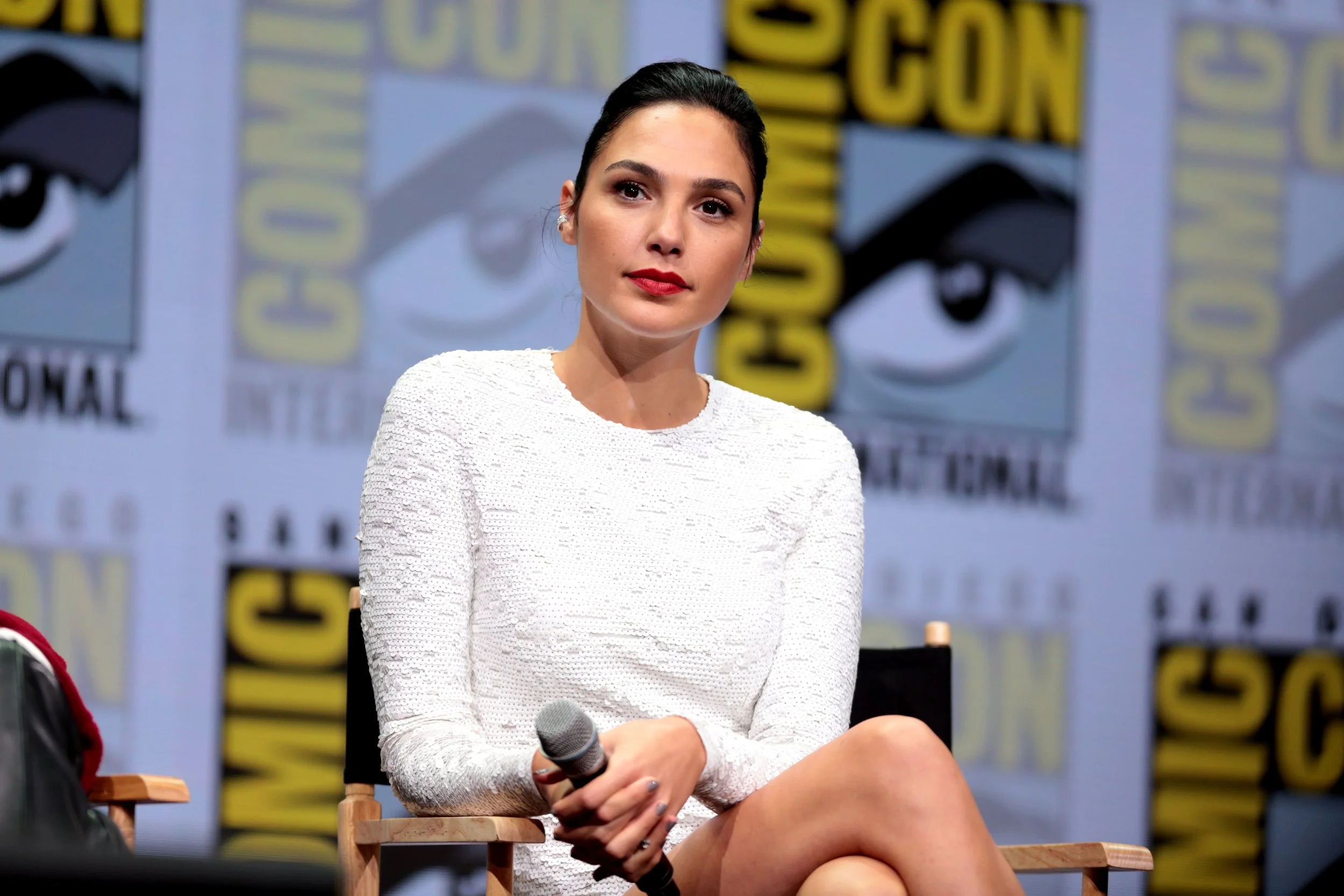
Gal Gadot has notable Classic, as well as Romantic and Dramatic. This conventional eye and red lip look emphasizes her polished-feeling Classic.
Here’s some of your best specific makeup elements:
Eyes
Eyeliner
Eyeliner defines the boundaries of the eyes and their position relative to other features. This is great for showcasing Classic’s precisely-proportioned beauty.
Application
A relatively thin, precise line on the upper lashline:
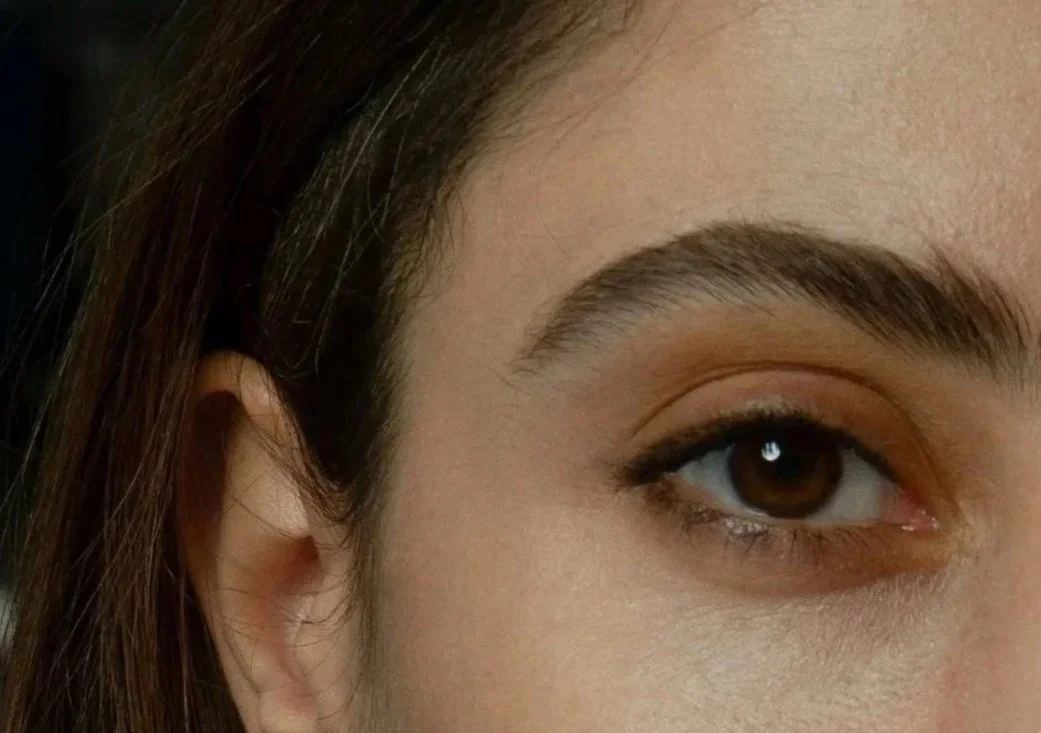
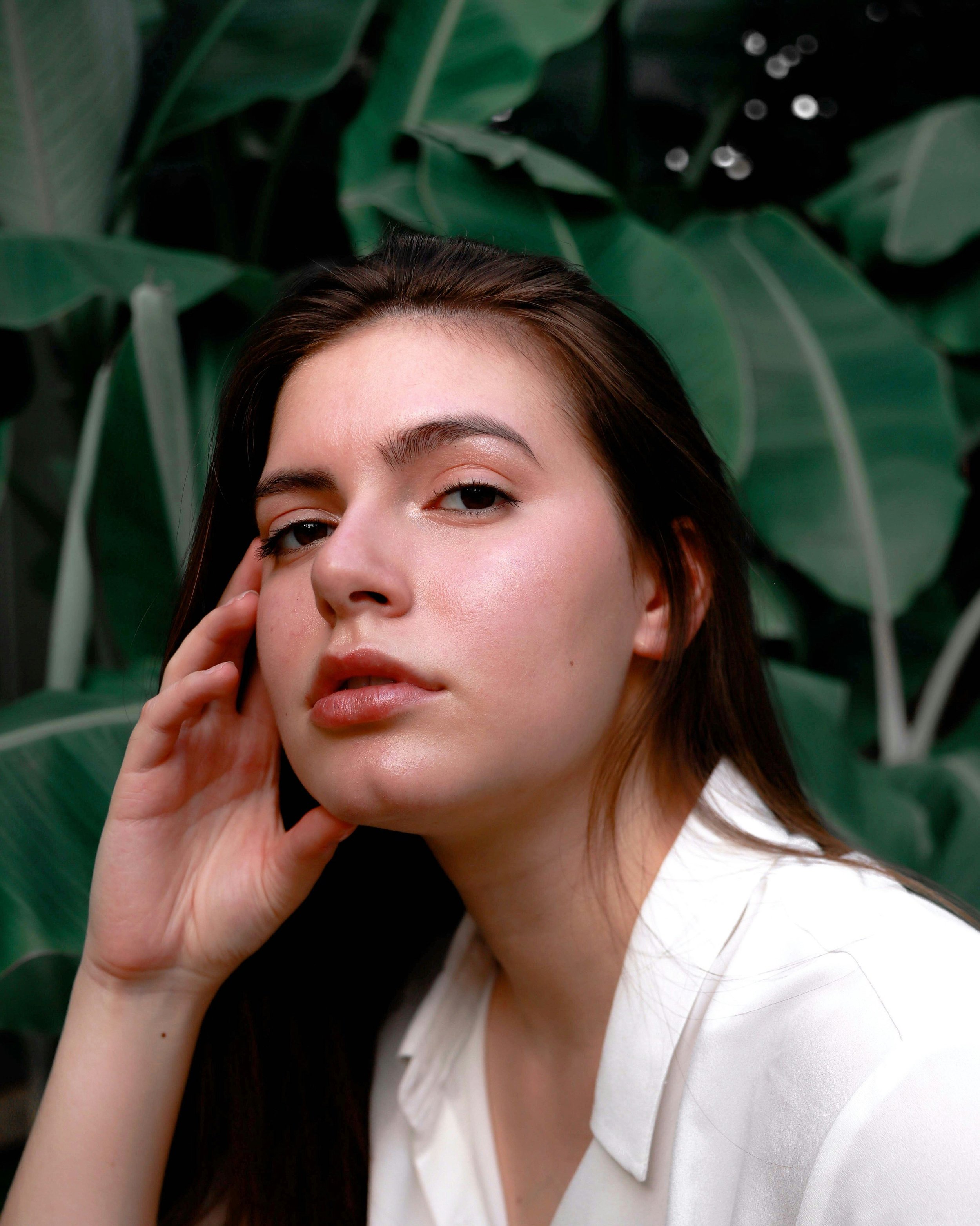
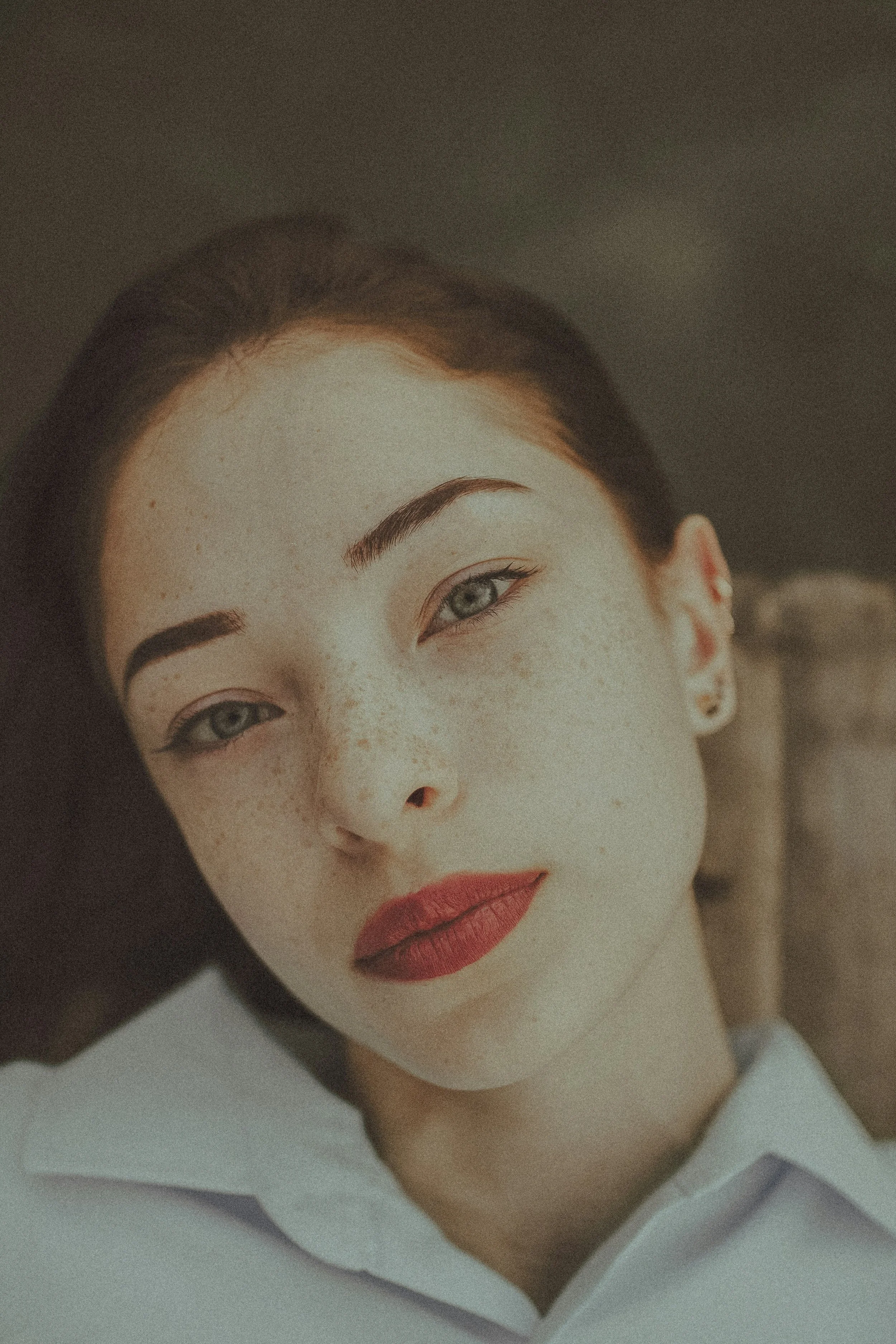
Lower lash emphasis also flatters Classic:
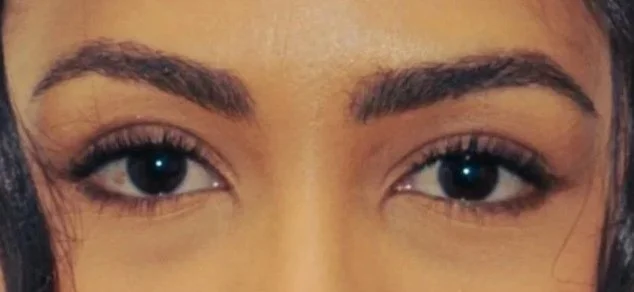
Your lower eyeliner can be lighter or thinner than your upper liner.
And while you don’t need to blend (since Classic likes precision), you can optionally blend slightly to create a gentler finish.
Wings?
Classic wants either no wing or a very subtle, short version:
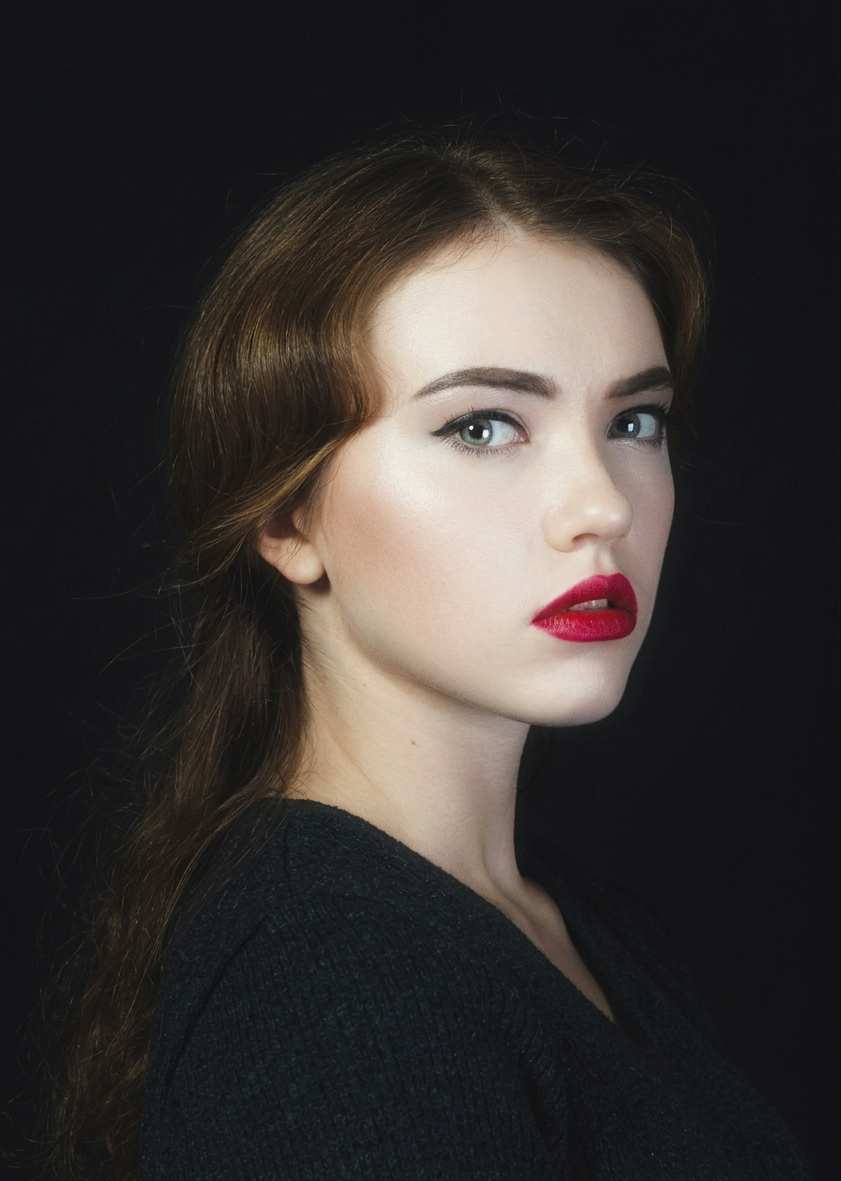
Winged liner elongates and embellishes the eyes.
But Classic features are already beautifully balanced and precisely positioned. So you don’t need to exaggerate their sizes and shapes.
Texture
Matte (or soft-matte or other shine-free finishes).
Matte textures easily read as precise, polished, and well-defined.
Conversely, shiny textures can feel too diffuse and blurred for Classic.
Best colors
Medium neutrals—grays, browns, taupes, etc.
Dark colors work, too, if they suit your color season.
In general, you want a color dark enough to add definition, but not so dark that it appears intense or harsh relative to your personal coloring (we’ll discuss this more in the sections below on Contrast Level and Color Season)
Eyeshadow
Eyeshadow suits Classic—it can help create a polished, well-groomed feel.
But it also easily feels blended and diffuse, which aren’t Classic hallmarks.
So it’s not your most important makeup step.
Application
Conventional: a medium eyeshadow shade in the crease blended into a light shade on the lid, following the shape of the eyes and not extending much beyond their natural size:

A dark shade can optionally be added at the very outer corners.
Texture
Matte or soft-matte—Classic wants precision.
Subtle shine or shimmer can be ok. But these finishes easily blur the boundaries of the features, and Classic likes boundaries.
Colors
Light and medium neutrals from your color season.
Neutrals easily express Classic’s sophisticated, refined, timeless vibe. So they’re the safest choice for Classic eye makeup.
Your exact best colors depend on your own coloring. You want colors dark enough to emphasize the contours of your features, but not so dark that they feel intense.
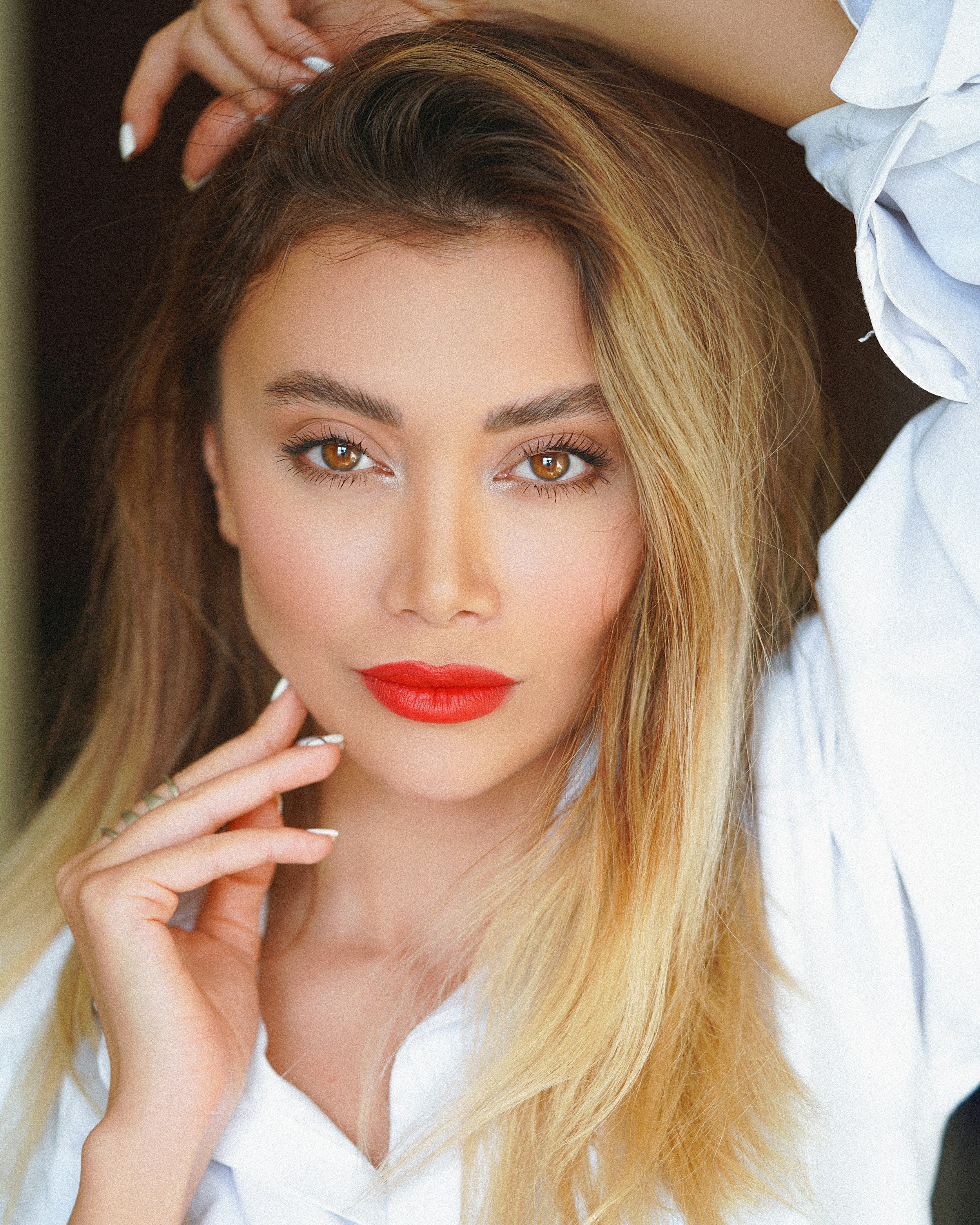
If you have low-contrast coloring or a light color season, then light eyeshadow on the lid and medium-light on the crease might read as “moderate” and Classic on you.
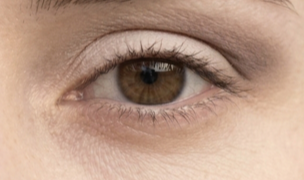
This might be enough definition if you have low-contrast coloring.
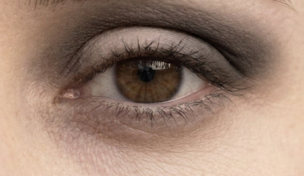
But if you have high-contrast or deep coloring, then light eyeshadow on the lid and medium-dark on the crease might read as “moderate” in the context of your season.
If your personal contrast is medium, then you’ll likely be suited to colors in between these two extremes.
Mascara
Mascara defines the lashline, creating the feature-definition that Classic wants.
Thickness
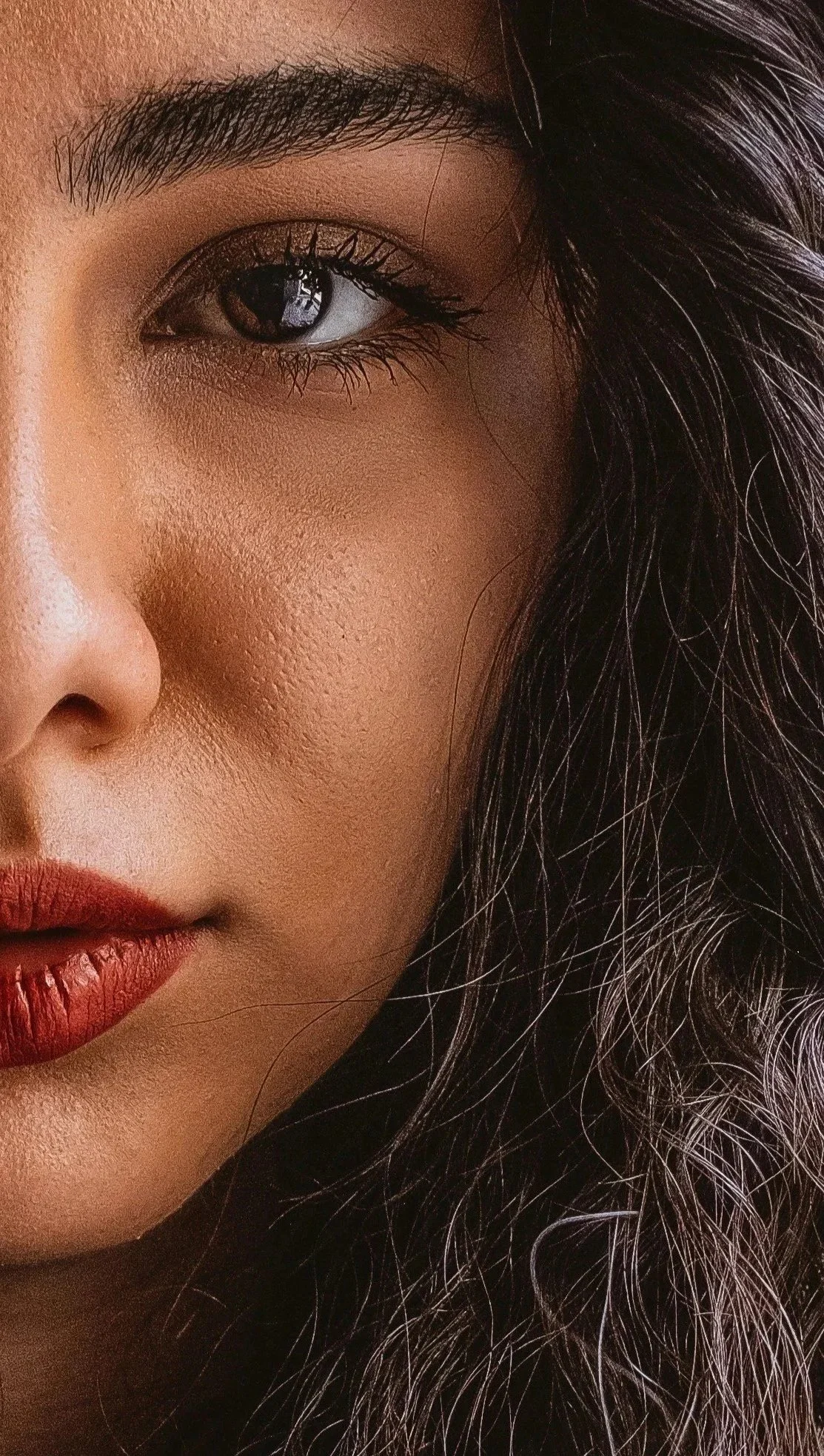
Upper lashes: Moderate—an application in between lightweight and thick.
Lower lashes: Thin—just a swipe or two, since it’s easy for mascara on the lower lashes to feel heavy.
This suits Classic’s dignified aura and affinity for sturdy, tailored fashion.
Avoid very thick or clumpy applications, which don’t mesh with Classic’s refined nature.
Length
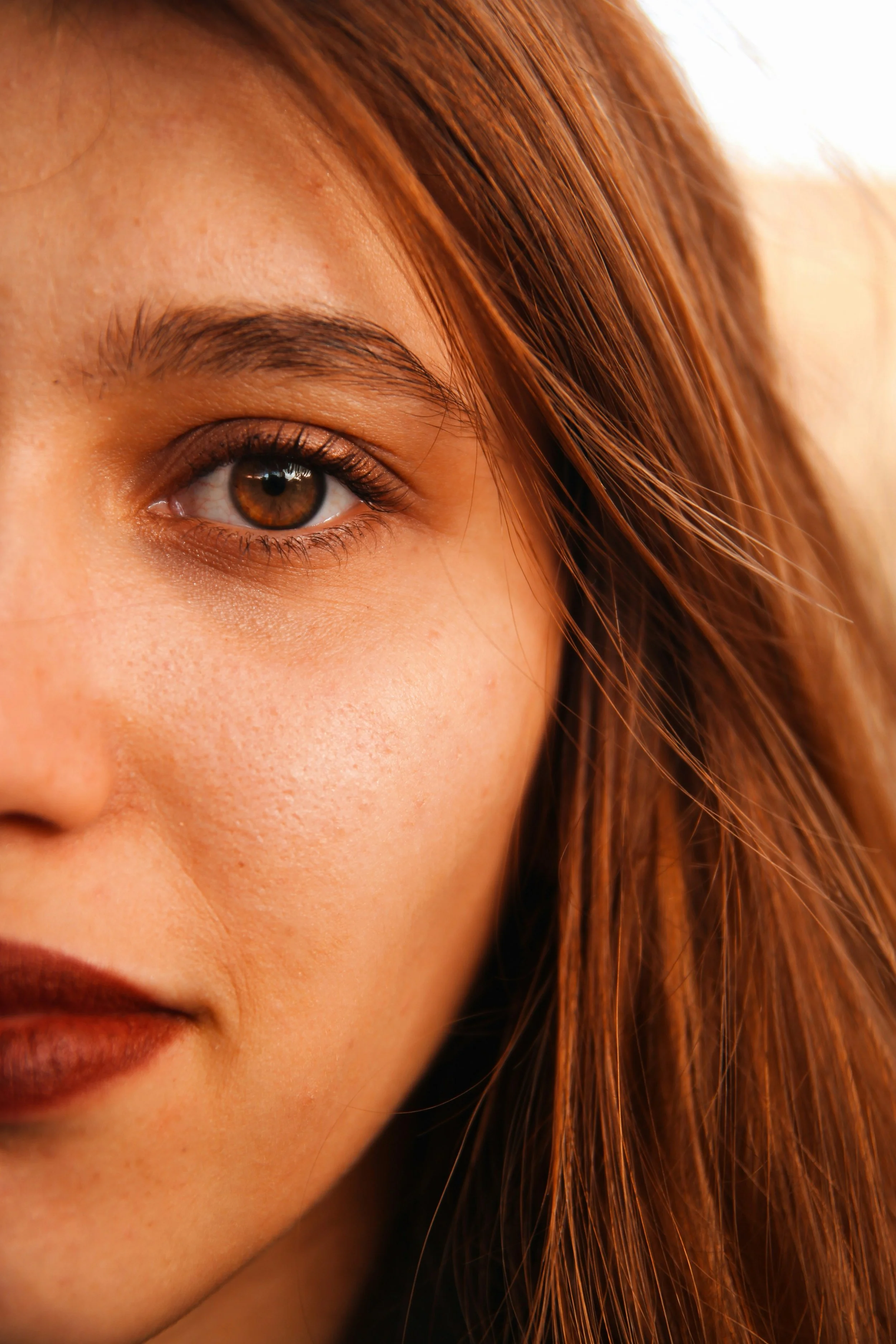
Upper lashes: Moderate—Classic likes moderation!
Lower lashes: Short—or whatever length your lashes naturally are. (Since most people have fairly sparse lower lashes, you want to be careful about exaggerating them in a way that could feel theatrical)
Falsies or Extensions
Optional—natural-looking versions can work, but anything that adds a lot of length or heaviness can easily feel overdone.
Tightlining
This is a great way to emphasize the eyes’ precise, balanced spacing.
It’s optional, since some people find tightlining harsh. But it can really flatter Classic.
Color
Medium browns or grays tend to be best.
If you have deeper coloring, you can experiment with dark colors, and if you have pale coloring, you might want to try light browns or light grays.
Extremely light tightline colors, like white or champagne, aren’t ideal, since Classic doesn’t need to exaggerate the sizes of the features.
Brows
Classic loves Goldilocks brows—not particularly thick or thin, long or short.
Straight brows work well, consistent with Classic’s best silhouettes (straight-leg pants, pencil skirts, etc).
But it also really flatters Classic to pluck under the brow’s outer third, creating a slight arch beneath the brow while keeping the top straight:

In general, Classic wants brows that feel well-groomed.
Lips
Best Color
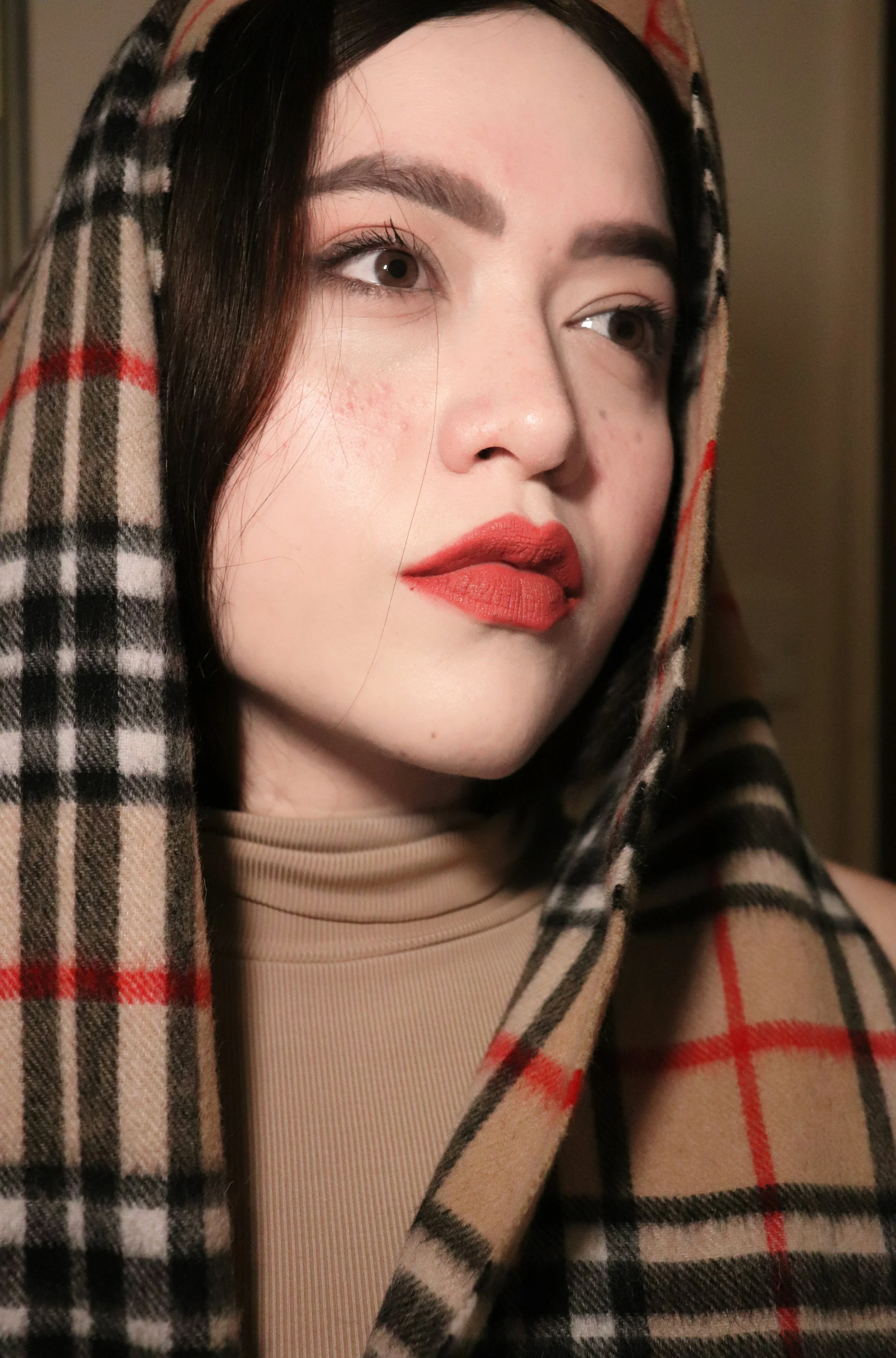
Medium red.
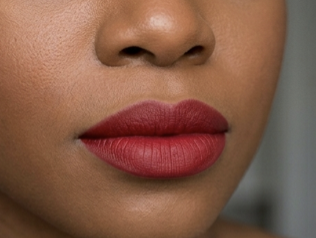
Compared to pink and nude, red tends to create a more obvious boundary between the lips and the skin, since red is the bolder hue. So, red more easily feels polished and precise (as long as you draw it precisely!).
Avoid very deep reds—these easily feel intense or extreme.
Texture
Matte or soft matte.
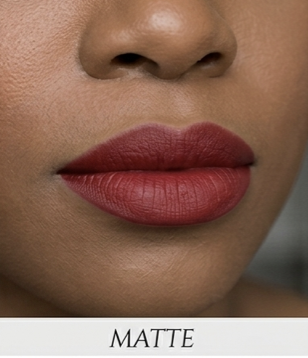
Avoid shiny textures—these can alter the perceived size of the features and make it harder to discern their boundaries. That’s the opposite of what Classic wants.
Lip Liner
Lining your lips is helpful for getting a precise application.
But generous overlining can compete with Classic’s balanced proportions.
For best results, the liner will stay within the boundaries of your lips or be just slightly and subtly overlined.
Face
Blush
Blush flatters Classic, helping to define the shape and position of your cheeks:
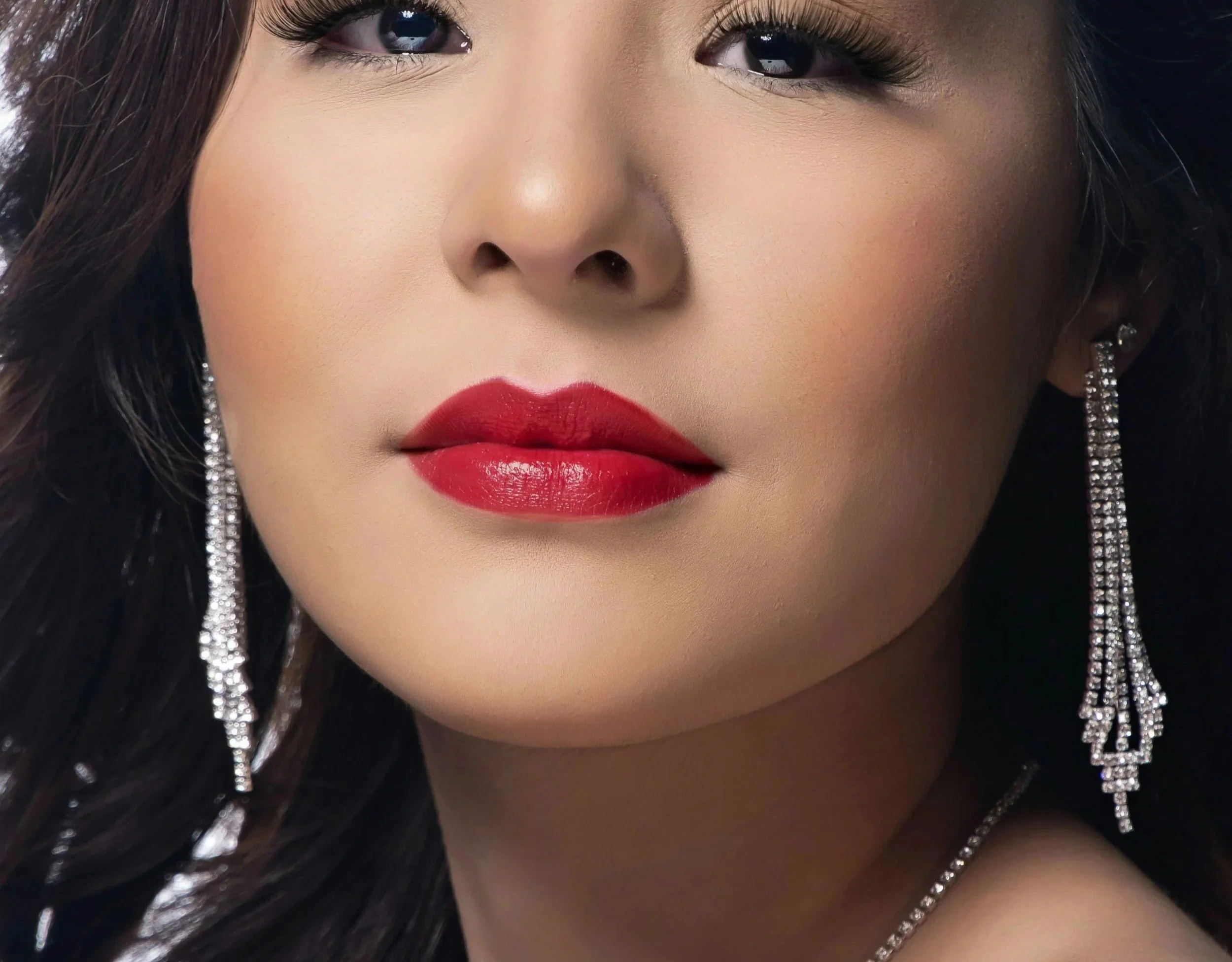
Use a minimal or moderate amount of matte blush; apply following your cheek’s natural shape; and blend well.
As seen here, a nude shade such as peachy-nude is a great color choice, because it can be especially subtle. Pink works, too.
Contour
Classic likes contour—it emphasizes the face’s sculpted structure:
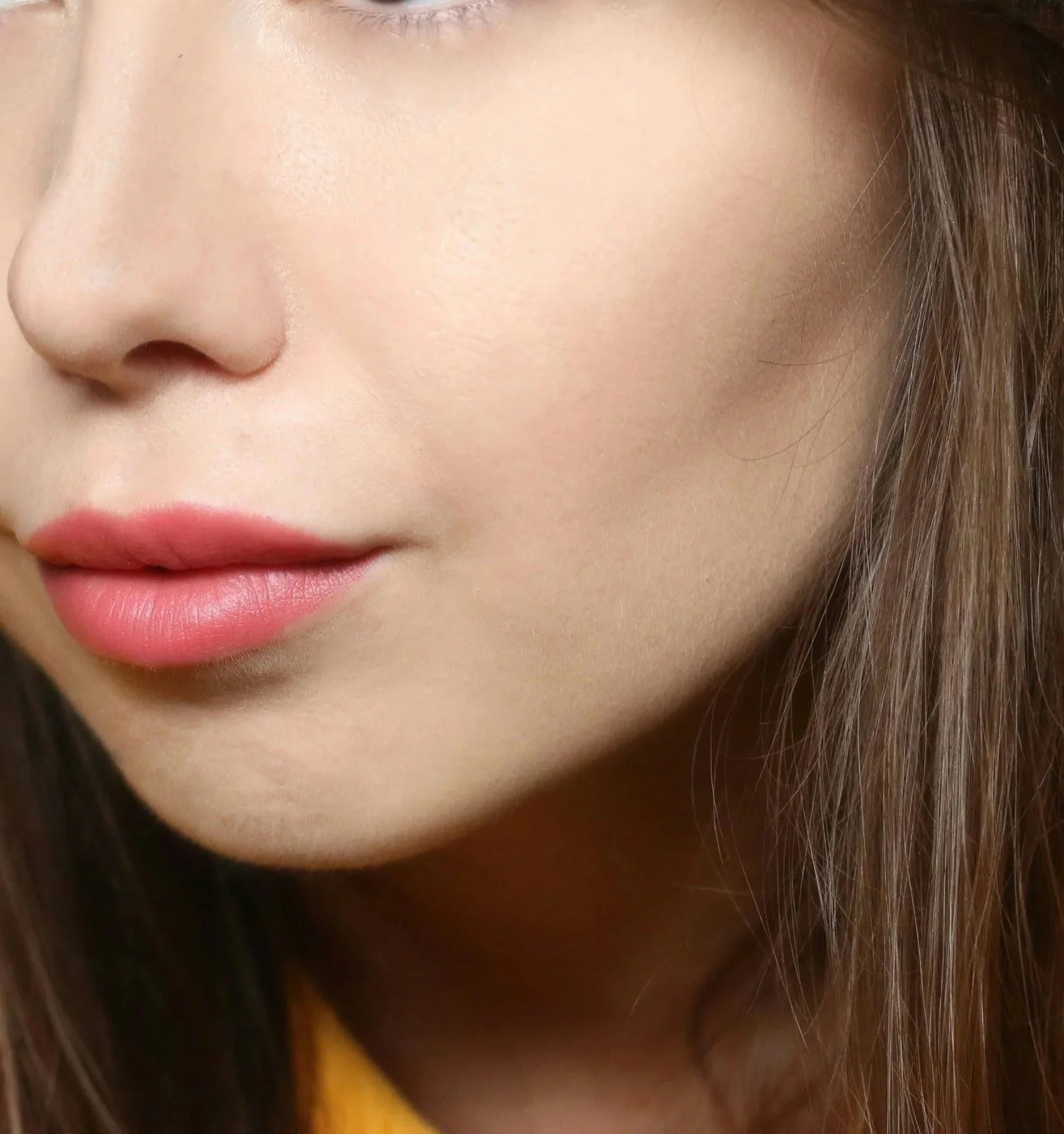
The key is moderation. Follow the shape of the cheeks with a relatively light touch, and blend well to create a somewhat natural-looking shadow.
Generally avoid contour that extends much beyond the natural hollows of your cheeks, in vertical or horizontal space.
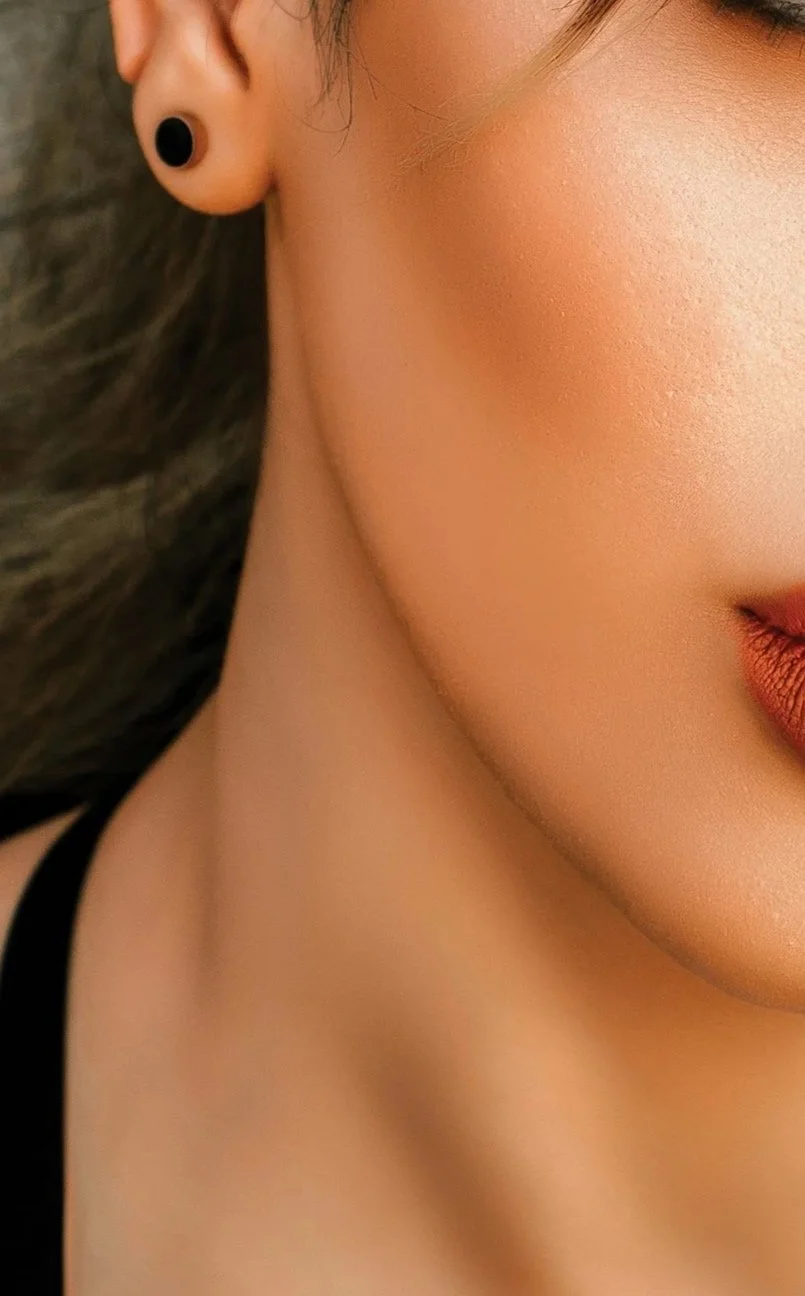
If wearing blush, apply contour just below.
Highlighter
Optional—a minimal amount on the high points of the cheeks can add polish.
But as we’ll see below, Classic also really likes a shine-free skin finish.
Foundation
Soft matte or velvet tends to be ideal—these smooth, shine-free textures are fantastic for creating a polished yet natural, skin-like texture.
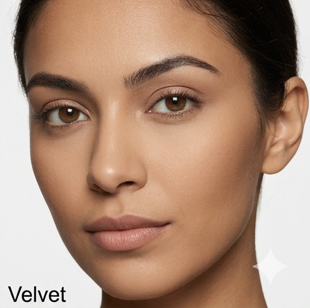
Matte foundation also works, although depending on your skin type, you might find it feels too dry or heavy.
Contrast Level
In makeup, “contrast level” often refers to how light and dark the colors in a makeup look are relative to one another. It can also refer to how much your makeup colors stand out relative to your personal coloring.
Classic’s best contrast level tends to be medium.
Very high contrast, such as a very dark eye paired with a very light lip, isn’t Classic’s ideal, because it feels emotionally intense and extreme.
And very low contrast, such as using only light colors on all your features, may not give you sufficient definition, emphasis, and “boundary-setting.”
So, Classic prefers something in-between: defining the eyes primarily with light and medium neutrals (and optionally some darker neutrals), paired with a medium lip.
Contrast Level and Color Season
Classic makeup can suit any color season.
This is because you can adjust your makeup’s contrast level to better suit your personal coloring.
For instance, if you have high-contrast or deep coloring, you can likely handle some darker makeup colors (especially in eyeliner and mascara, where dark colors may essentially just replicate the look of your natural lashes).
Conversely, if you have low-contrast or light coloring, you might find that dark eyeliner feels harsh. You might also find that a red lip stain creates your best Classic lip look, even if it’s not as pigmented as Classic’s stereotypical medium red lipstick.
In the context of your coloring, the lipstain might feel more “moderate”—less extreme than lipstick.
The takeaway is that your best makeup will primarily embody the vibe of your essences, while still reflecting your color season.
So you can certainly adjust your makeup colors and textures to be more similar to your personal contrast level.
***
That’s the overview of some of Classic’s best makeup.
Other makeup styles can also suit Classic, which we’ll discuss briefly below in the section on “Two Kinds of Classics.”
Another key point is that based on your specific essence ratio, you might find that not all the above makeup elements suit you, even if you’re highly Classic.
In that case, simply choose the elements that work for you and modify or omit the ones that don’t.
Here’s further detail on Classic makeup:
Isn’t This Kind of a Lot of Makeup?
The Classic paradox: the essence embodies minimalism and understatement—yet it also desires a well-groomed, somewhat “high-maintenance” aesthetic.
Compared to modern minimal and “clean girl” aesthetics, Classics do wear a rather a high amount of makeup.
But critically, Classic makeup is conventional enough that on a highly Classic face, it won’t necessarily read as “a lot”—especially because it echoes the sophisticated feel that Classic faces naturally exude.
Eyes or Lips?
Another interesting thing is that Classics arguably get to break the ages-old makeup advice to “emphasize eyes or lips, not both.”
Of course, it’s fair to say that since Classic eye and lip makeup are both so conventional and timeless, they don’t read as emphasis in the way that, say, glitter eyeshadow or a purple lip would.
Another important factor is that what tends to most emphasize the eyes and lips is pairing a very dark eye with a very light lip, or vice versa. (This sort of extreme light-dark contrast is a hallmark of Dramatic makeup.)
This is because by choosing lip and eye colors that are very different from one another, it makes both features stand out more in comparison to each other.
So doing a medium red lip and medium neutrals on the eyes, as we see in Classic’s best makeup, emphasizes the eyes and lips but doesn’t overemphasize either.
Two Kinds of Classics
With that said, some Classics might prefer a more minimal look.
In our subtypes series, we discussed how there are two kinds of Classics:
1) a Formal Classic that’s like a more moderate, less extreme version of the Dramatic essence; and
2) a Casual Classic that’s like a more moderate, balanced version of the Natural essence.
I think most descriptions of Classic, including the ones on this blog, typically focus on the Formal Classic.
But if you have the Casual Classic subtype, then you may find that wearing all your Classic makeup at once does feel too intense.
In this case, choosing subtler colors or skipping the most intense applications, like tightlining, may be a better strategy.
Future posts may discuss different kinds of Classic makeup.
Isn’t Classic’s Best Color Blue?
In fashion, yes! Blue reads as one of the most conventional color choices for clothing.
But for makeup, blue easily reads as unconventional—bold, playful, etc.
You can certainly experiment with adding blue in a subtle way, like navy eyeliner or light blue-gray eyeshadow.
But neutral eye makeup most reliably reads as Classic.
Should You Match Your Makeup to Your Facial Features?
This often seems to the safest choice.
For example, if you’re a Romantic Classic blend with Classic eyes and Romantic lips, then the safest choice for creating harmonious makeup is do Classic eye makeup and a Romantic lip.
But, sometimes it can be fun to apply makeup that suits your overall blend, even if it’s not technically the perfect fit for your individual features.
So, if you’re a Romantic Classic with Romantic lips, you still might want to try a Classic lip.
Why? One reason is that it gives you more varied and versatile options for makeup. It can also change up your look, if you want that, potentially making your overall vibe appear more Classic than your bare face typically does. So, it can be a fun creative exploration.
And many people may still find the results harmonious, because you’re still doing makeup that connects to your general vibe.
Future posts may discuss this topic further.
How to Tell which of Your Features are Classic?
Classic features are defined by balance and moderation— symmetrical and not especially long or short, small or large.
Classic faces also often have features that read as straight or straight-ish.
But it’s difficult to use literal shapes to determine your essences, because a facial feature can still read as Classic even if it doesn’t have literally straight lines.
The other complication is that sometimes people have Classic mostly or entirely in the spacing between their features, rather than in their features themselves. Such people may be particularly flattered by Classic contour or foundation.
To determine which of your specific features are Classic, you may want to test which of your features appear harmonious in Classic makeup.
Classic Makeup Inspiration?
“Classic” seems to describe a similar makeup style in both colloquial and style essence terms.
So as a Classic, you can get inspiration from 1950s and 60s makeup; from movies of that era; or from TV shows depicting that era, such as Mad Men.
This makeup won’t always be fully Classic in the style essences’ sense. But often it will be similar enough to provide great inspiration.