Should you follow these timeless fashion rules? Things like:
“Don’t mix silver and gold jewelry.” “Don’t cut your body in half.” “Don’t wear white after Labor Day.” And many more.
Let’s see how these rules do or don’t hold up from a style essences (and color season) perspective:
1) “Don’t mix metals.”
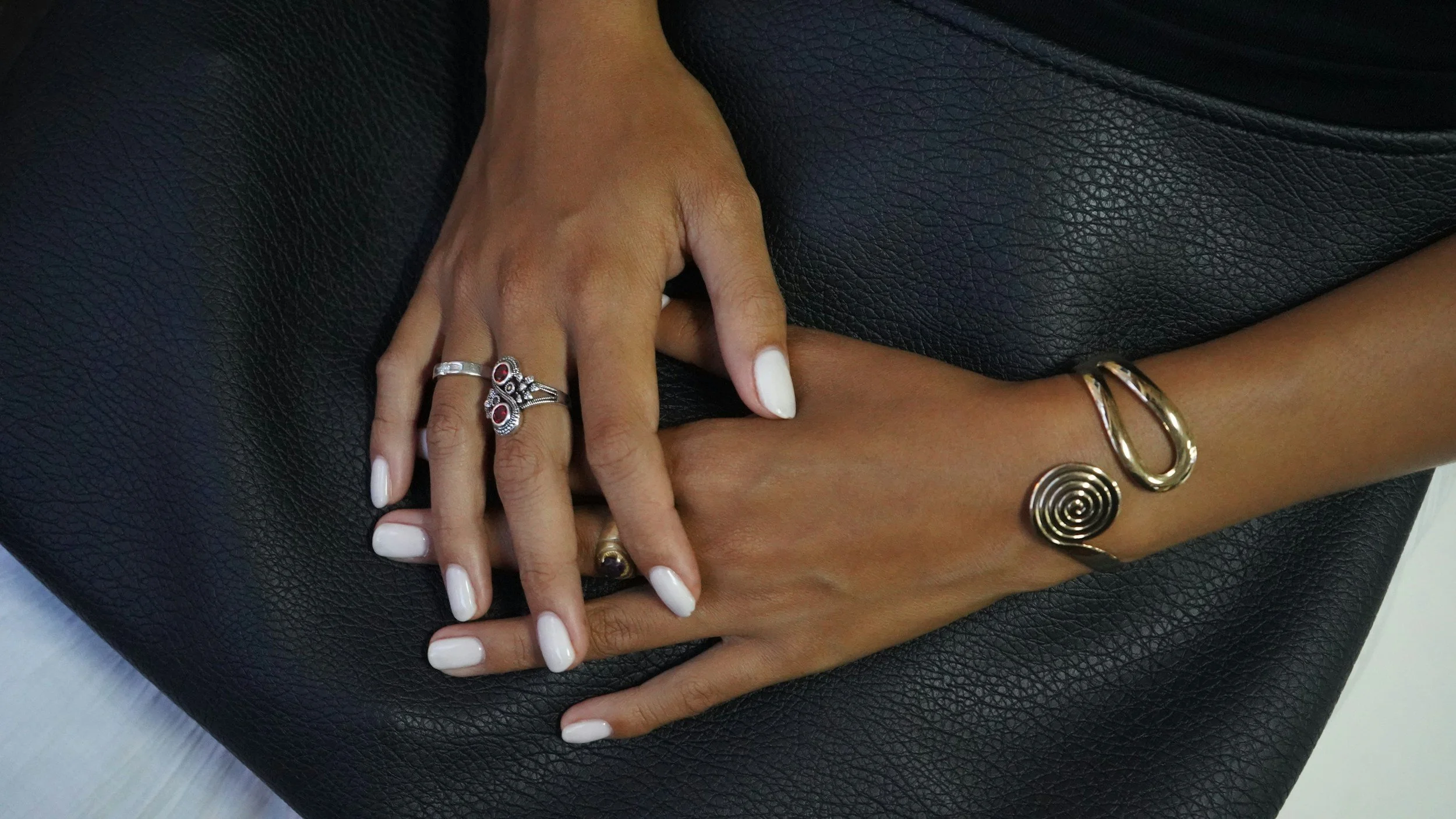
The argument here is that it looks more cohesive when your jewelry and hardware (buckles on shoes, purse, belt, etc.) all have the same type of metal.
So this rule says that if you’re wearing gold jewelry, you shouldn’t add any silver to your outfit.
And if you’re wearing silver jewelry, then any other jewelry or hardware in your outfit should also be silver.
Essences that can break this rule?
Natural and Gamine.
Mixing colors, prints, and textures fits Gamine’s playfully rebellious feel.
So if you’re highly Gamine, pairing silver with gold can be perfectly harmonious.
For instance, maybe you wear a necklace with tiny gold square charms and a bracelet with tiny silver triangle charms.
And with their casual, carefree aesthetic, Naturals can also harmoniously mix metals.
So maybe your boots have silver buckles, for example, and your watch is gold.
Is that fashion blasphemy?
Maybe! You can argue that everyone should coordinate their metals, regardless of essences.
But if you’re highly Natural or Gamine, you might at least experiment with a mixed look.
Should the other essences follow this rule?
Not necessarily—but it may make your life easier.
Specifically, Classic, Dramatic, Ethereal, and Romantic all have a stereotypically formal feel. So they’re all flattered by a coordinated look.
Ingenue is also flattered by a neat, matching aesthetic.
And obeying the “don’t mix metals” rule is one easy way to make your style feel more cohesive.
So this rule can be a useful guideline for these essences.
Can every essence break this rule?
Yes—the key is just to make it look like an intentional choice.
So maybe you wear several bangles that are nearly identical in every way, and the only thing that’s different about them is that some are silver and some are gold.
Or you coordinate in selective locations, like wearing generous silver around your face—silver earrings, silver necklace, silver eyeshadow—and a bag, belt, and watch with gold hardware.
Or you wear a piece of jewelry that itself integrates both gold and silver. Sometimes braided earrings or necklaces will combine both, for example. And then it may look coherent to mix gold and silver in the rest of your jewelry and hardware, too.
Takeaway: if you have an essence that prefers a cohesive look, you can mix silver with gold—you just want to make it look intentional, rather than unplanned.
Color Connection
This rule is also a good guideline if you have a purely warm (True Autumn or True Spring) or purely cool (True Summer or True Winter) color season.
Purely warm seasons will want to stick to warm metals like golds, and purely cool seasons will want to stick to cool metals like silvers.
But the remaining seasons have neutral undertones that combine cool and warm hues.
So from a color analysis perspective, those other seasons can wear silver and gold in a single outfit.
2) “Don’t cut the body in half.”
This one is interesting.
There’s a principle in fashion called the “rule of thirds,” which argues that outfits look more aesthetically pleasing when divided into vertical thirds, rather than halves.
One way to follow this rule is to choose a waist-length top (or tuck your top into high-waist pants) to achieve a roughly 1/3 top to 2/3 bottom ratio:
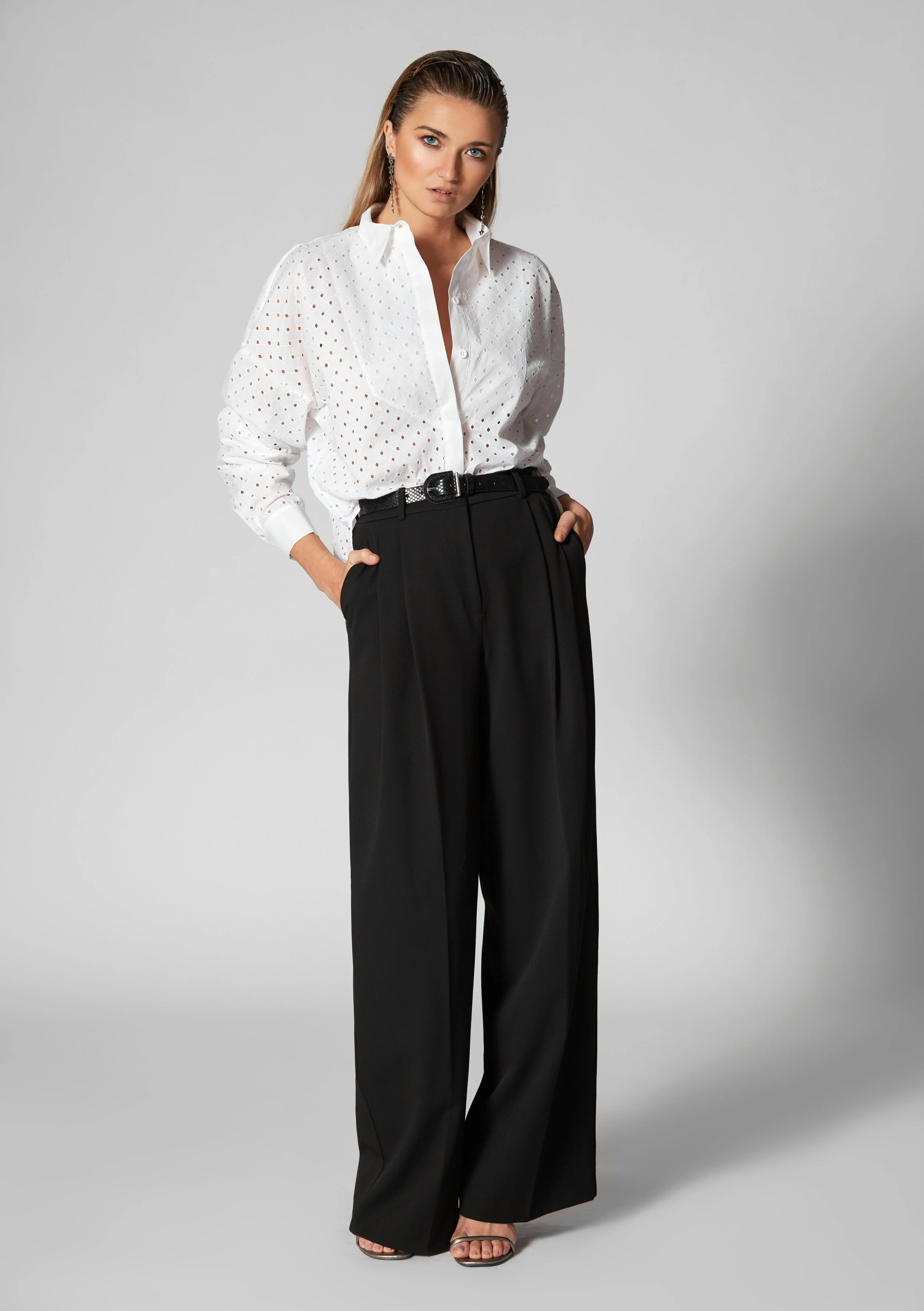
This outfit follows the rule of thirds, because the top is tucked into high-waist pants.
This look could work for a Dramatic with the sleek trousers, Ingenue with the shirt’s low-contrast polka-dot effect, and Natural with the shirt’s slouchy, oversized silhouette.
You can also follow the “rule of thirds” by creating a 2/3 top to 1/3 bottom ratio:
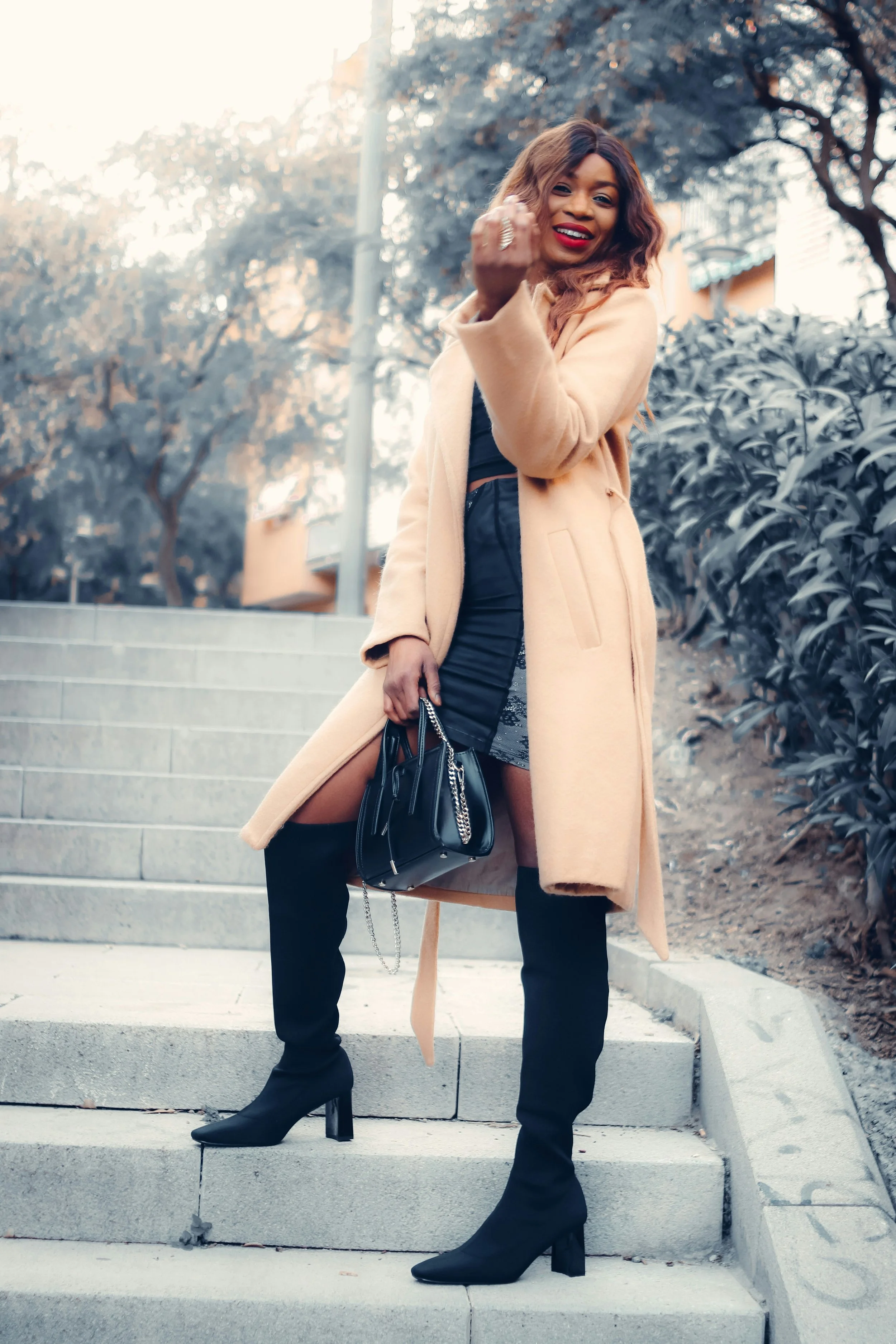
This outfit follows the rule of thirds by pairing a knee-length coat with tall boots.
This look could work for a Romantic (sexy ruched boots) Dramatic (over-the-knee boots) Classic (basic overcoat).
Why follow this rule? Some people argue that the legs and body look shorter overall (the horror, right? just kidding ;) if your shirt ends around the middle of your body, such as around the low hip.
Essences that can follow this rule?
Ingenue, Gamine, Romantic, and Classic.
These four are very flattered by cropped silhouettes (Ingenue, Gamine); by waist-emphasis (Romantic); or by the timeless feel of tucking a top into high-waist pants (Classic).
So even if it’s for a somewhat indirect reason, these essences can use the rule of thirds as a general guideline.
Essences that can break this rule?
Most of them—including Romantic and Classic.
Romantics are sometimes flattered by choosing tops, sweaters, or cardigans that end around the middle of the body (around the low hip), because hip-emphasis can feel sensual.
Similarly, Classics can be quite flattered by tops, blazers, or cardigans that end around the low hip, since this is a conventional length for hemlines, especially blazers.
And Ethereals, Dramatics, and Naturals all love elongation. So these essences typically prefer long hemlines for shirts (though crop tops can also sometimes feel extreme and Dramatic).
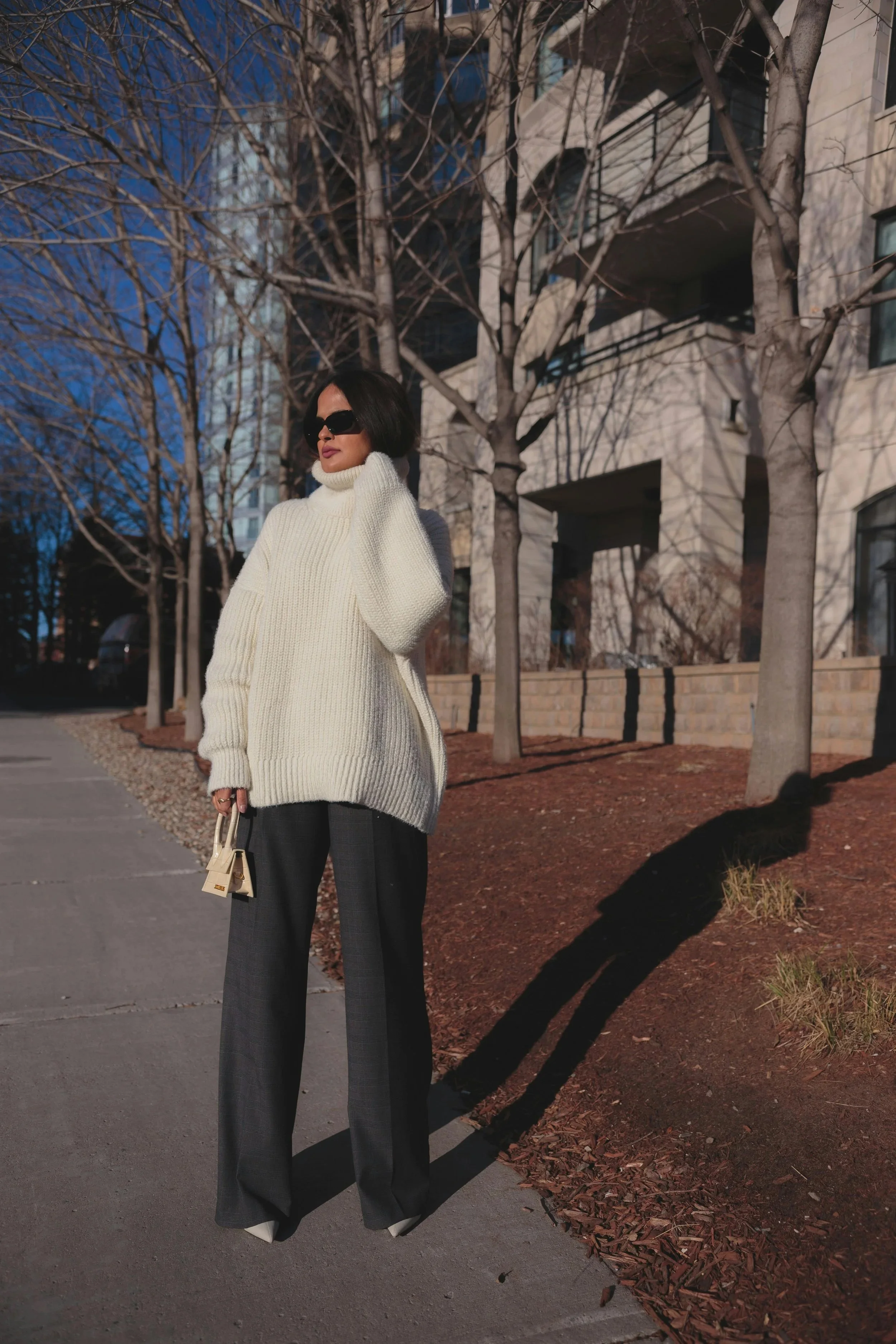
Here we have a blatant rule of thirds denier, because the vertical length of this sweater is nearly the same as the vertical length of the pants.
So this outfit “cuts the body in half.”
But to me it’s a cool look, and the elongated silhouettes are harmonious with the outfit’s slouchy yet edgy, Dramatic Natural vibe.
So this outfit could suit a person with a lot of Natural and Dramatic (plus Gamine with the tiny purse cleverly added to contrast with the oversized clothing).
How to effectively break this rule
One way to break this rule is simply to wear hip-length tops, as seen above.
Especially if you have a lot of Ethereal, Dramatic, or Natural, you might like how it looks to “cut your body in half.”
But if you don’t love what wearing hip-length tops does to your proportions, then you have several different options:
Follow the rule of thirds and choose a top that ends around waist-length to suit your Gamine, Ingenue, Romantic, or Classic (or sometimes Dramatic, if it feels like an edgy crop top).
Then add your elongated essence as pants, skirt, jacket, jewelry, accessories, and/or hairstyle.
Wear pieces that end around mid-thigh or below, like dresses, long tunic tops, extra-long sweaters or cardigans, etc.
These long pieces can help you follow the “rule of thirds” by creating a roughly 2/3 top to 1/3 bottom ratio.
“Cut your body in half” with a hip-length top, but also add something that draws the eye to the waist (like a belt, crop top, or cropped jacket) that you wear over your longer top.
“Cut your body in half” and wear high heels to make your legs look longer. (I don’t think long legs are inherently better-looking than short ones, but I respect the concern some people have about wearing a hip-length top. Specifically, some people may worry that hip-length tops make their torso look too long relative to their legs for their preference.)
“Cut your body in half” and match the color of your shoes to the color of your pants (or wear nude heels or shoes that match your skin tone). This can create the illusion of longer legs.
3) “Balance extreme silhouettes.”
Basically, this rule says you shouldn’t wear a head-to-toe loose outfit or a head-to-toe skin-tight one.
Instead, you should balance out “extreme” silhouettes, like pairing a skin-tight top with wide-leg pants, or a roomy top with fitted pants.
Essences that can break this rule?
…a lot of them.
Dramatics, Gamines, and Romantics can all wear head-to-toe skin-tight outfits (though these essences can also wear other kinds of silhouettes, too).
And Naturals look great in “oversized everything”—baggy sweater, baggy jeans, large slouchy purse.
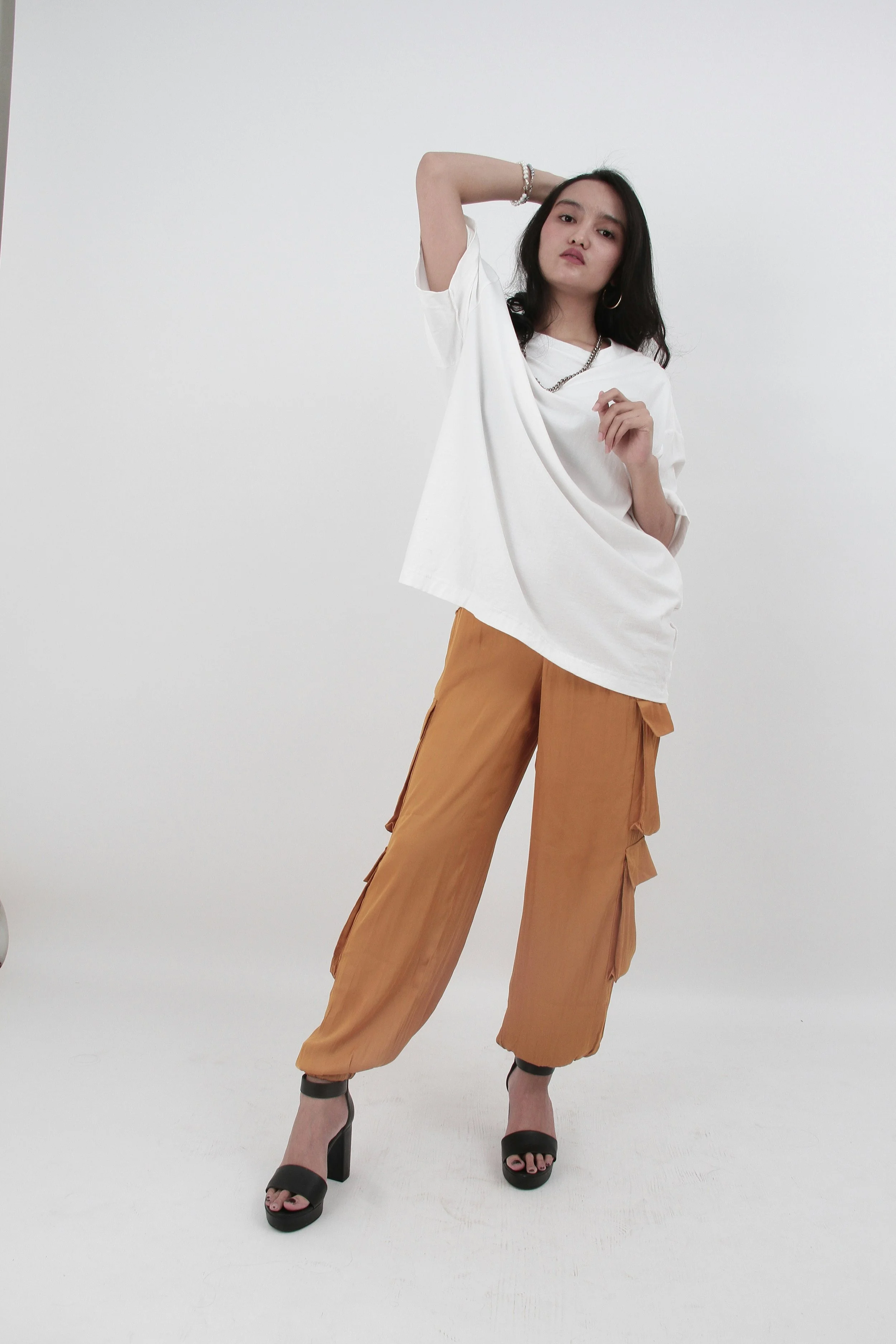
A loose all-over silhouette can work well if you have a lot of Natural (plus Ethereal here from the chain detail and flow to the pants).
Chunky Dramatic heels help anchor the look by adding structure.
Essences that can follow this rule?
Classic and Ingenue.
These two are highly flattered by body-skimming silhouettes and don’t tend to be ideal in head-to-toe fitted or head-to-toe baggy.
So if you are wearing something notably tight (or baggy) and have a lot of Classic or Ingenue, then it’s not a bad guideline to pair it with a contrasting silhouette.
Ethereals might also find this rule useful, since Ethereals prefer a body-skimming or relatively narrow (rather than skin-tight or baggy) silhouette.
However, Ethereals can be also be flattered by pairing flowy with flowy, like a narrow flowy high-low top with flowy palazzo pants.
Conventional fashion guidelines might say that’s too monotonous of a silhouette—too much draping and flow—but it tends to be great for Angelic beauty.
Should you follow this rule?
Does this rule fit with a style essences viewpoint?
Ultimately, no.
The style analysis perspective is that an intense, extreme, or statement-making silhouette is harmonious for people whose faces are suited to pull it off.
So head-to-toe baggy outfits really can look great on people with a lot of Natural.
And completely fitted outfits can be flattering for people with a lot of Romantic, Dramatic, or Gamine.
And wearing a very flowy top with a very flowy skirt can sometimes suit Ethereal.
The truth of the rule
The general truth of this rule is that many people do have essences with differing silhouette preferences.
Like at least one essence that prefers fitted clothing, and at least one essence that prefers a looser fit.
And sometimes it is especially flattering to wear silhouettes that reflect your different essences.
But if you have an essence blend that can overall handle an “extreme” silhouette, then you can harmoniously violate this principle.
4) “Have one standout element or clear focal point and keep the rest understated.”
The argument here is that wearing more than one “statement piece” in a single outfit feels overwhelming and cluttered, rather than harmonious.
Essences that can follow this rule?
Classic, Natural, and Ingenue.
If you’re highly Classic, this rule can be a useful general guideline, since Classics prefer a refined, minimalist feel.
And if you’re highly Natural, you can also be flattered by a low-detail look, without too many competing elements.
Ingenues can handle a lot of detail, but Ingenue details are small and delicate. So if you’re strongly Ingenue, you may end up following this rule by default.
Essences that can break this rule?
Every other essence can pretty easily break this rule.
Dramatic and Gamine thrive in edgy looks, including mixing bold colors, silhouettes, and prints.
So these essences can be flattered by wearing two or more “statement” pieces together.
And Romantics and Ethereals are flattered by a very high level of detail. Romantic in particular loves elaborate fashion, passionate prints, and lots of accessorizing.
So if you’re highly Romantic, it might actually hinder your style to have only one standout element and keep the rest understated.
Similarly, Ethereals are flattered by intricate and unique fashion. So if you’re highly Ethereal, it may make sense to incorporate more than one “standout” piece in your look.
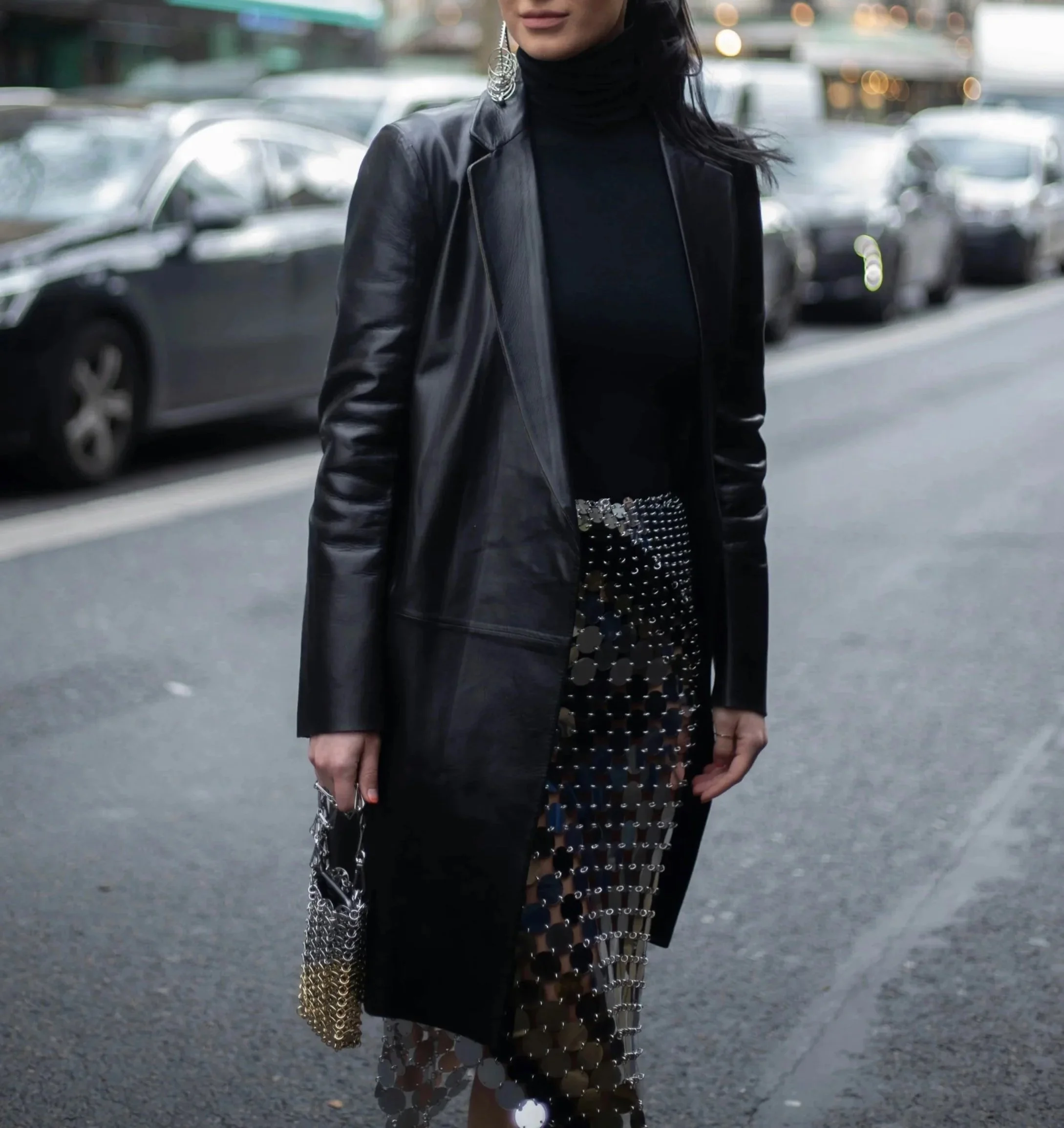
This outfit has at least three or four statement elements (unique earrings, purse, skirt, arguably the leather coat, too).
But it works because of the overall Dramatic Ethereal Gamine unique, avant-garde vibes. Plus because the color palette is neutral.
Some people may prefer a more understated aesthetic. But regardless of whether it suits their taste, I think many would agree that this feels cohesive, even with all the standout pieces.
The truth of the rule
Basing your outfit around a single focal point does have an aesthetic logic.
But the problem is that many of the style essences prefer complex or unique fashion.
The solution? People with a lot of Dramatic, Gamine, Romantic, or Ethereal might want to revise the rule to be:
“Choose a single standout focal point for your outfit. Then, add your essences’ version of understated pieces (even if those pieces aren’t understated in a conventional sense).”
For instance, an extra-long leather blazer might not be “understated” in a traditional sense. But it can be a Dramatic’s version of an understated piece.
5) “Don’t wear white after Labor Day. And in general, don’t mix cold and warm weather clothing.”
The idea here seems to be that you should stick to colors that are stereotypically associated with different types of weather.
That is, wear darker colors in the fall and winter months, and lighter colors in the summer and spring.
I personally disagree with this one, regardless of your essences.
It’s fine to follow it if it works for your style type and color season.
But if you have, say, a lot of Ingenue and Ethereal and you’re a Light Summer, I don’t see a compelling reason why you can’t wear light colors and light neutrals in cold weather.
Similarly, if you have a lot of Dramatic and Romantic and you’re a Dark Winter, I don’t think you need to avoid black and other dark shades in warmer months.
Again, you totally can if you want. And often Light seasons (and Ethereals and Ingenues) can harmoniously wear colors that look rather dark in the context of their personal coloring.
And Winters (and Dramatics and Romantics) can look great in either light or dark colors.
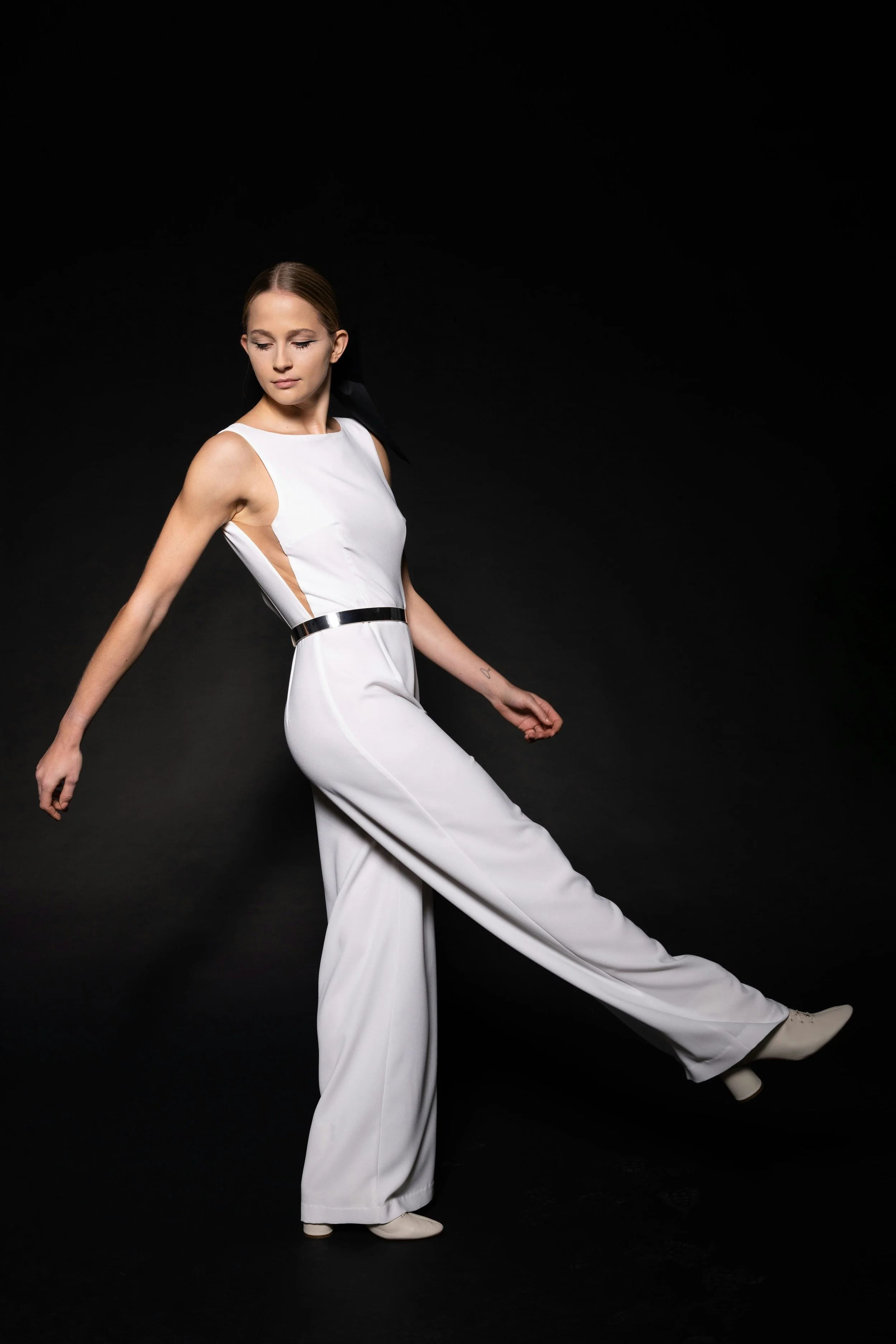
Edgy Dramatic jumpsuit.
But this rule seems to be based more on arbitrary conformity rather than on meaningful aesthetic principles.
And I realize that this is a biased assessment of mine, and that some people may enjoy matching their clothing, including their colors, to seasonal changes. And if so, that’s good!
I do think it can be fun, for instance, to wear rich, warm tones in the fall. And you might be able to find a way to do so that still suits your color season, like by wearing versions of Autumn colors that have cool undertones if you’re a Summer or Winter.
So I’d say only follow this rule if you enjoy it—it’s definitely not necessary for looking your best.
Conclusion
When I initially decided to write this post, I already had strong assumptions about what my conclusion would be.
I thought I would conclude, “And that’s why this rule is bad and so is this one and this one and this one, and in conclusion, these fashion rules are outdated and arbitrary and you should ignore them.”
But after reflecting on these timeless fashion rules… I don’t think a lot of them are that bad.
Many of these “rules” can be useful for at least some of the essences, especially because the rules relate to core style analysis principles: concepts like harmony, balance, and cohesion.
I think the main issue with these rules is that, like a lot of mainstream fashion advice, they’re too broad to be applicable for everyone.
And they’re also too absolute. Most of these “rules” can be broken by any of the essences under the right conditions, especially if they’re broken with intentionality.
Style Analysis rules are better
I prefer to follow the “rules” that style analysis assigns to each of the essences, because those rules aren’t arbitrary or overly general.
Instead, style analysis rules reflect the fashions that allow the authentic beauty of every person to be seen in a harmonious context.
So I’ll still be wearing white after Labor Day. But I’ll also be reflecting on how mainstream fashion “rules” can sometimes coexist with a style analysis perspective.